What is a Stuffed Toy and Why Are They So Popular?
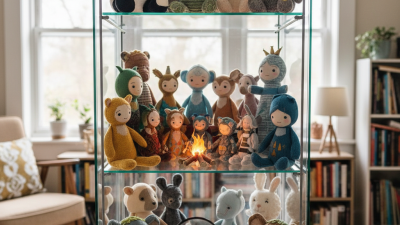
Stuffed toys have captured the hearts of children and adults alike for generations. These plush companions, often resembling animals or beloved characters, offer comfort and joy. Many people form deep emotional connections with their stuffed toys, viewing them as confidants or sources of security. The tactile softness and whimsical designs make them irresistible to cuddle and hold.
The popularity of stuffed toys can be linked to their ability to bring happiness and nostalgia. They are often gifted during special occasions, symbolizing love and care. For many, the bond with a stuffed toy can spark cherished memories from childhood. However, this attachment can sometimes lead to challenges. As one grows older, the question arises: When is it time to let go?
Despite their charm, not all stuffed toys are created equal. Some may evoke feelings of comfort while others can become reminders of lost innocence. It’s important to reflect on the role a stuffed toy plays in one’s life. This exploration reveals the deeper significance behind these seemingly simple objects.
What Defines a Stuffed Toy? Characteristics and Types Explained
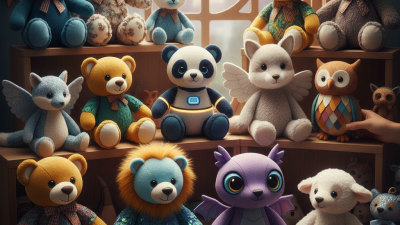
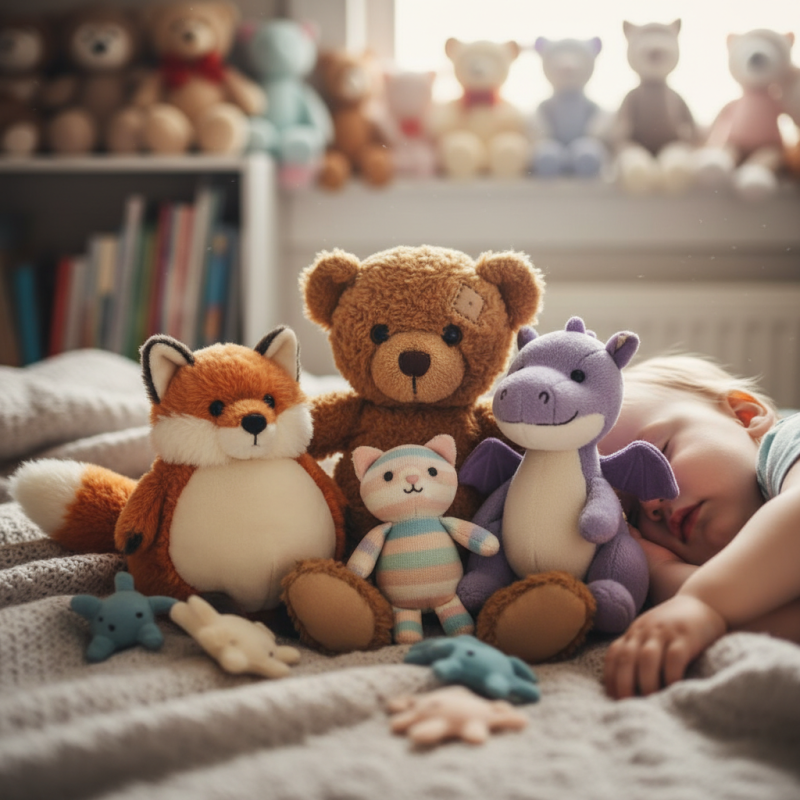
Stuffed toys have captured hearts worldwide for their comfort and companionship. Their design allows them to be cuddly and appealing to all ages. Made typically of soft materials like plush fabric and filled with various substances, these toys provide a tactile experience that resonates with many.
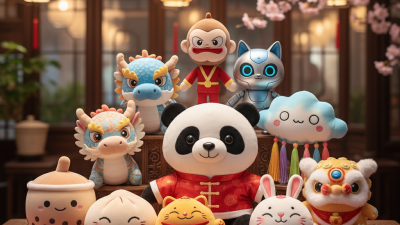
The most common types of stuffed toys include classic animals, characters from popular culture, and custom designs. A 2021 report from the Toy Association noted that over 60% of parents believed that stuffed toys help in children's emotional development. This statistic highlights how these toys serve more than just decorative purposes. They are often used as comfort items, encouraging imaginative play and emotional bonding.
Tips: When selecting a stuffed toy, consider age-appropriateness. Safety is paramount; ensure that toys are free from small parts that can be choking hazards. Pay attention to cleaning instructions to maintain hygiene. Reflect on your child's preferences to choose a toy that resonates with them, encouraging a connection and nurturing emotional well-being.
Historical Evolution of Stuffed Toys: Origins and Cultural Impact
Stuffed toys have a rich history that reflects culture and society. Initially, they were simple fabric creations filled with natural materials like straw or sawdust. As manufacturing evolved, plush toys became more complex, integrating synthetic materials. This shift made them softer and more appealing to children.
Throughout the years, these toys held various meanings. In some cultures, they symbolized comfort and companionship. In others, they served as teaching tools, helping children understand emotions. The 20th century saw a surge in popularity, with stuffed toys becoming iconic figures in childhood. Yet, with mass production came concerns about quality and safety.
As stuffed toys continue to evolve, they balance nostalgia and modernity. Designers experiment with diverse shapes and materials while addressing safety standards. However, the reliance on technology can overshadow the simplicity that once defined these toys. The journey of stuffed toys showcases our changing values and the persistent need for comfort in a fast-paced world.
Market Trends: The Economic Impact of the Global Stuffed Toy Industry
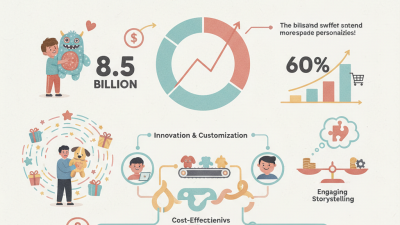
The global stuffed toy industry
has seen remarkable growth in recent years. This surge reflects shifting consumer preferences and the
emotional connection people have with these toys. Stuffed toys are not just for children; adults
often collect them too. This expansion is evident through various market trends, indicating their
strong appeal across demographics.
In 2022, the market reached significant milestones, generating billions in revenue. Factors such as
social media influence and nostalgia play a critical role.
Many people share their stuffed toy collections online, sparking interest and driving sales. It's
interesting to note that sustainability has also emerged as a vital factor. Eco-friendly materials
are becoming more popular in production. This trend shows a collective shift toward conscious
consumerism.
Yet, challenges exist. The market faces saturation due to an increasing number of brands and products.
Consumers sometimes feel overwhelmed by choices. Quality can also vary widely,
impacting trust. As companies strive for innovation, they must pay attention to these details while
keeping up with trends. Balancing creativity with reliability remains a critical task
in the evolving stuffed toy landscape.
Psychological Appeal: Why Children and Adults Adore Stuffed Toys
Stuffed toys hold a special place in the hearts of both children and adults. Their soft textures and friendly faces create feelings of comfort and nostalgia. For children, these toys often represent companionship. They become a part of their daily activities and adventures. For adults, stuffed toys can evoke cherished childhood memories. They may also serve as comforting reminders of love and innocence.
Tips: Choose a stuffed toy that resonates with personal experiences. This connection enhances emotional comfort. A favorite character from a childhood story can bring back fond memories.
These toys are not just playthings; they are also therapeutic. Many find solace in holding a stuffed toy during stressful times. The act of hugging can provide a sense of security. This is particularly relevant for adults managing anxiety. It might seem childish, but seeking comfort in such toys is entirely valid.
Tips: Try to incorporate a stuffed toy into your self-care routine. Clutching it during meditation or relaxing moments can deepen the feeling of tranquility. It might not solve problems, but it brings temporary relief. Reflecting on why these toys bring joy can also offer insights into emotional needs.
What is a Stuffed Toy and Why Are They So Popular?
| Dimension |
Details |
| Emotional Support |
Provides comfort during stressful situations, enhancing feelings of security. |
| Nostalgia |
Reminds adults of their childhood, evoking warm memories and a sense of innocence. |
| Therapeutic Benefits |
Used in therapy sessions to help children express emotions and manage anxiety. |
| Social Skills Development |
Encourages imaginative play, helping children develop empathy and social interactions. |
| Collectibility |
Many people enjoy collecting stuffed toys, which can become a hobby and a way of connecting with others. |
| Variety of Choices |
Wide range of designs, sizes, and characters appeal to diverse preferences, making them accessible to all ages. |
Safety Standards and Regulatory Measures for Stuffed Toy Manufacturing
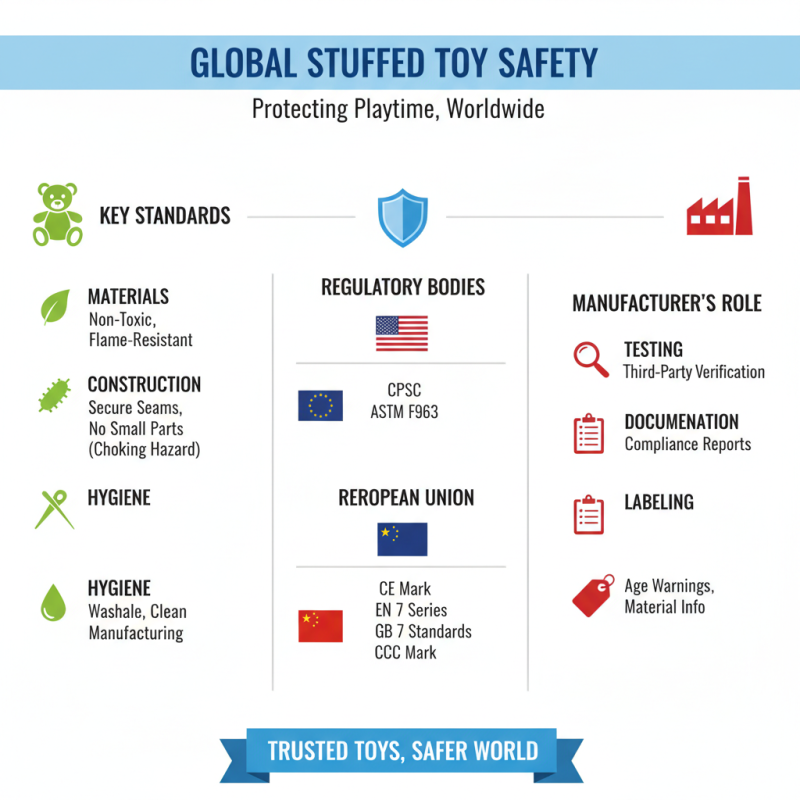
Stuffed toys are beloved by children and adults alike. However, the safety of these soft companions is crucial. Manufacturers must adhere to strict safety standards. Different countries have their regulations, aimed at protecting consumers.
Key aspects of safety in stuffed toy manufacturing include materials used. Non-toxic fabrics and filling are essential for safe toys. Additionally, toys should be free from small parts that could pose choking hazards. Regular testing ensures compliance with safety guidelines.
Manufacturers must also consider labeling requirements. Clear age recommendations help in guiding parents. Alongside this, regular inspections are important. These checks identify defects or unsafe designs early. The industry needs constant reflection on how to improve safety measures, even after receiving certifications.