What is Animal Stuffed Toy and Why They are Loved by All Ages?
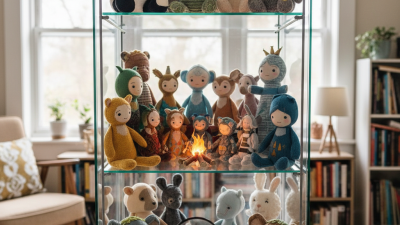
Animal stuffed toys hold a special place in the hearts of people of all ages. These soft, cuddly companions bring comfort and joy, transcending generations. From childhood to adulthood, they often symbolize safety and nostalgia. Parents frequently notice how their children develop strong bonds with these toys.
The appeal of animal stuffed toys lies in their ability to evoke emotions. They provide a sense of security, especially for young children. Many adults also cherish them as treasured mementos from their past. Each animal stuffed toy tells a story, often reflecting personal experiences and cherished memories.
Not all animal stuffed toys are created equal. Some may lose their charm over time or may not withstand rough play. Yet, the imperfections often make them more lovable. It’s important to reflect on how these toys can connect feelings of comfort and companionship across different stages of life. Ultimately, animal stuffed toys remind us of the simplicity of joy and the importance of companionship.
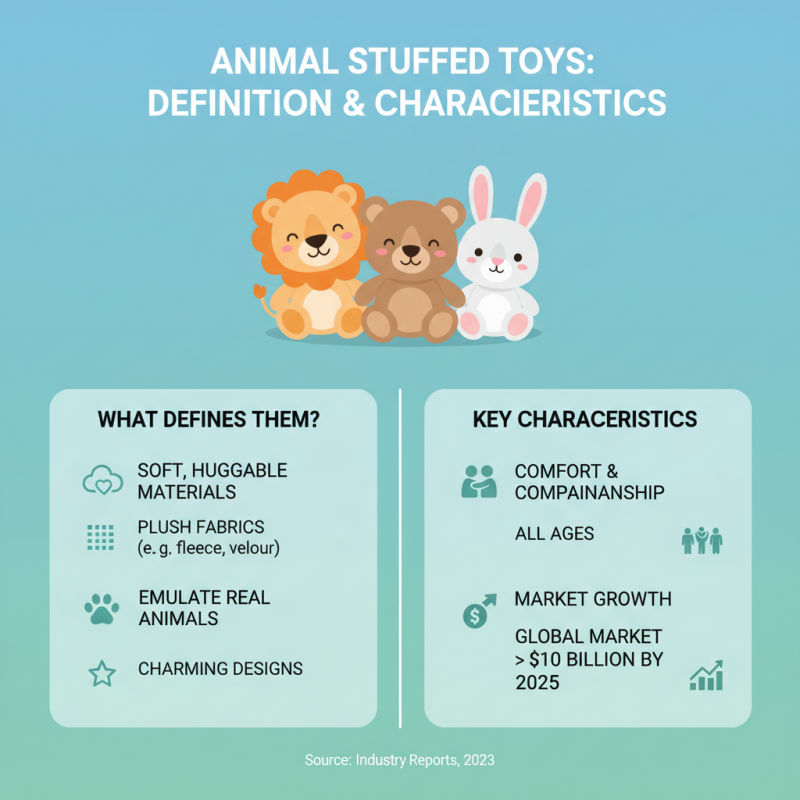
What Defines Animal Stuffed Toys and Their Characteristics?
Animal stuffed toys are defined by their soft, huggable materials and charming designs. Typically made from plush fabrics, they emulate real animals, providing comfort and companionship. According to industry reports, the global market for stuffed toys is expected to grow significantly. By 2025, it may exceed $10 billion, indicating a strong demand across all age groups.
These toys have characteristics that extend beyond mere aesthetics. They stimulate imagination and play. Research shows that over 70% of children find emotional support in their stuffed toys. This comfort is not limited to kids; adults often cherish these items as keepsakes. Many seek solace through nostalgia, reflecting on simpler times. The tactile nature of these toys offers a unique sensory experience, amplifying their appeal.
However, not all stuffed animals are embraced equally. Concerns about safety and sustainability emerge frequently. Some materials used in production may not adhere to safety standards. As consumers become more aware, the demand for eco-friendly options grows. People often reflect on the qualities that make a stuffed toy meaningful, questioning conventional designs and seeking items with deeper emotional connections.
Historical Evolution of Stuffed Animals: From Toys to Collectibles
The history of stuffed animals is rich and varied. They have transitioned from simple toys to cherished collectibles. In the early days, these plush creations were often handmade, crafted from scraps of fabric. Each stitch held personal stories and memories. Over time, commercial production began, making them more accessible. This shift helped them gain popularity among children and adults alike.
As decades passed, stuffed animals took on symbolic meanings. They became companions for children, providing comfort during tough times. Adults often associate these toys with nostalgia, reminiscing about their childhoods. Collectors seek unique pieces, contributing to a vibrant market. Some stuffed animals represent specific themes, showcasing artistry and innovation. They capture emotions and moments in ways that many other toys do not.
However, not all stuffed animals fulfill expectations. Some lose their charm over time, becoming worn or forgotten. Others may be designed poorly, lacking the durability to withstand play. Collectors might find disappointment when a toy does not meet their standards. These imperfections make us ponder what truly defines the love we have for these plush companions.
Emotional Benefits of Stuffed Animals for All Age Groups
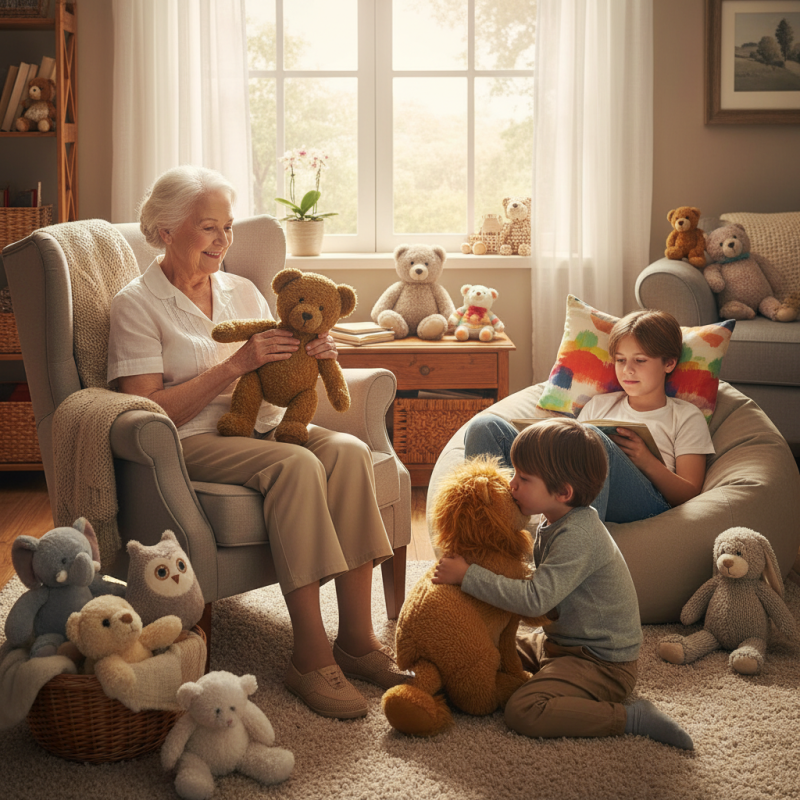
Stuffed animals have a remarkable emotional impact across all age groups. For children, these plush companions provide comfort. A soft teddy bear can ease fears during a dark night. Young ones often confide their secrets to these toys, creating a sense of trust and security. Such interactions can foster emotional intelligence as kids learn empathy through play. They mirror feelings, making the imaginary world of play a crucial space for emotional development.
Adults too find solace in stuffed animals. In stressful times, a familiar toy can evoke nostalgia. The act of hugging a soft animal may reduce anxiety and provide a moment of peace. For some, stuffed toys become a personal connection to happier memories. It’s interesting to note that not everyone is comfortable with this attachment. Some might consider it childish or unnecessary. However, embracing this affection can lead to deeper self-awareness.
Even seniors benefit from stuffed animals. They can spark conversations and trigger joyful memories. Isolation can be a significant issue for the elderly, and a plush toy can serve as a companion. The emotional bonds formed with these toys can alleviate loneliness. Yet, it’s important to recognize the varying perceptions of stuffed animals. Some may see them as mere decorations. This diversity in opinion invites reflection on our relationship with comfort objects throughout life.
Market Trends: Demand and Sales Statistics for Stuffed Toys Worldwide
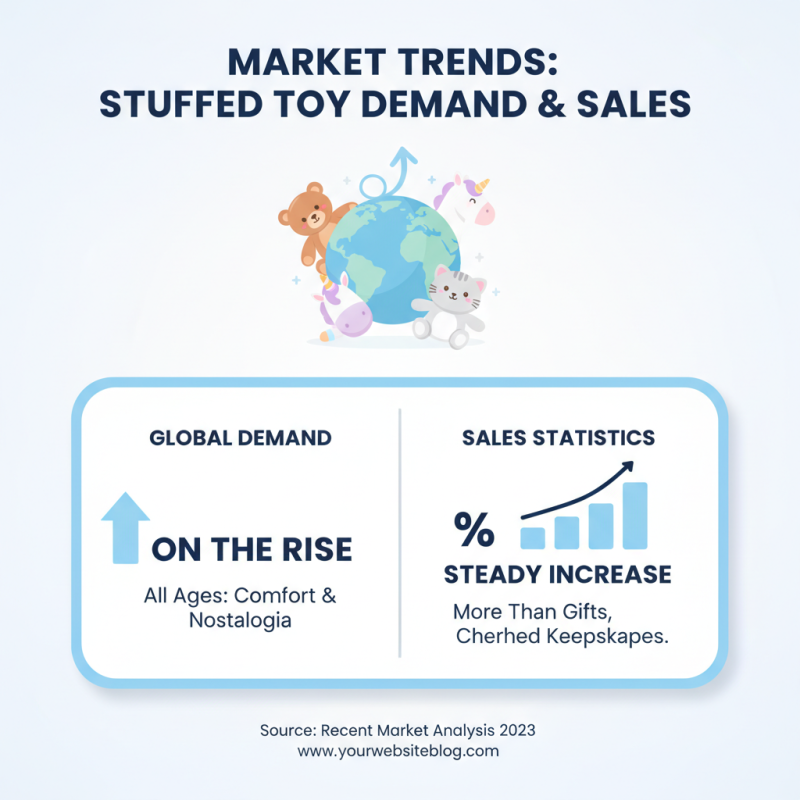
Stuffed toys have carved a special niche across various age groups. Recent market trends indicate that the global demand for these plush companions is on the rise. Statistics suggest that sales figures have steadily increased, reflecting their timeless appeal. People of all ages enjoy the comfort and nostalgia associated with stuffed animals. They're not just gifts; they are cherished keepsakes.
In 2022 alone, the stuffed toy market saw an impressive growth rate. The data reveals that more parents are choosing plush toys for their children. These toys often serve as comforting figures during childhood and even into adulthood. Moreover, unique designs and eco-friendly materials have become vital selling points, attracting conscious consumers.
Tips: When purchasing a stuffed toy, consider its durability and safety features. A good-quality toy should withstand years of hugs. Look for ones that are machine washable for easy maintenance. Lastly, encourage imaginative play by selecting toys that spark creativity. Remember, a stuffed toy can be a comforting friend, but it should also encourage learning and exploration.
Safety Standards and Regulations in the Manufacturing of Stuffed Toys
Safety standards in the manufacturing of stuffed toys are crucial for protecting children of all ages. According to the American Society for Testing and Materials (ASTM), toys must meet specific safety requirements to prevent choking hazards, toxic materials, and sharp edges. Over 17 million children’s toys were recalled in 2021 due to safety violations. This statistic reflects the industry’s ongoing challenge to maintain compliance with rigorous safety regulations.
Manufacturers must perform thorough testing to meet standards set by organizations like the Consumer Product Safety Commission (CPSC). Non-compliance can lead to serious consequences, including recalls and legal action. A recent report indicated that 35% of parents are concerned about the safety of stuffed toys. Companies are urged to improve transparency and educate consumers about safety measures. Ensuring materials are non-toxic is also paramount. Studies show that over 90% of parents prioritize the safety ratings of toys before purchasing.
Despite these regulations, concerns remain about the quality control processes in some factories. There have been instances of toys being manufactured with untested materials or improper craftsmanship. Quality inspections can be inconsistent, leading to products that may not meet established safety standards. Parents must remain vigilant and look for certifications when choosing stuffed toys for their children, an essential step in ensuring safety.
Popularity of Stuffed Toys Across Different Age Groups