What is the Best Animal Stuffed Toy for Your Child?
Choosing the right animal stuffed toy for your child can feel overwhelming. With countless options available, parents often face dilemmas. Each toy comes with its unique charm and character. Some children bond deeply with a soft elephant, while others prefer a cuddly bear.
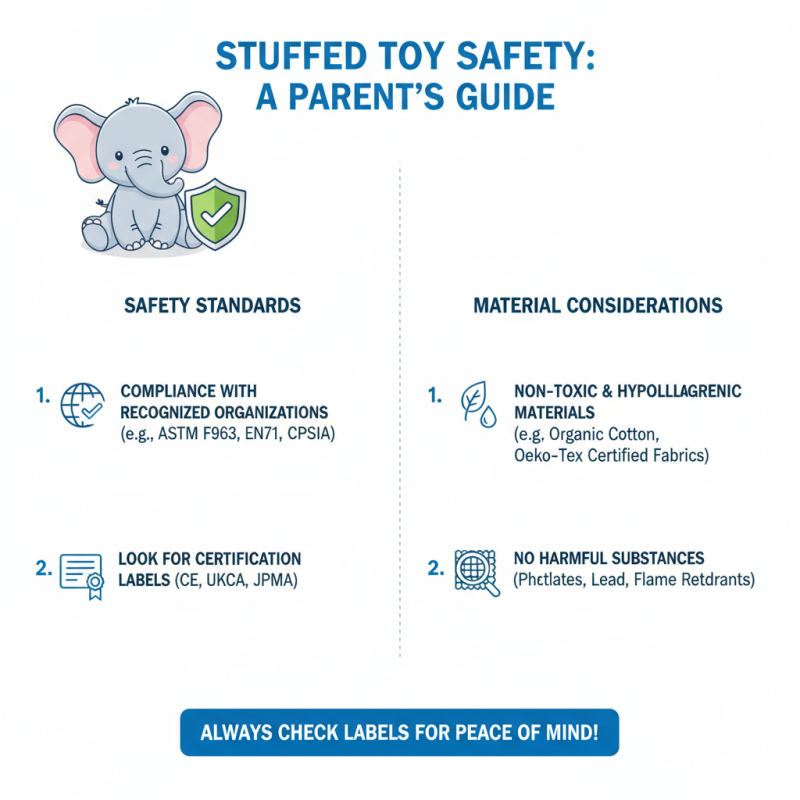
Animal stuffed toys serve more than just companionship. They can enhance emotional development in children. A well-chosen toy fosters comfort during bedtime and can ease fears. However, parents must consider safety and quality as top priorities. It's essential to choose toys made from safe materials that withstand wear and tear.
Many plush toys may look appealing, but not all will endure extensive playtime. Observing your child's preferences is crucial. Sometimes, a little experimentation is necessary. After all, not every toy becomes a favorite. Be patient in this journey of discovery. Finding that perfect animal stuffed toy can bring endless joy and comfort to your little one.
Understanding the Importance of Stuffed Toys in Child Development
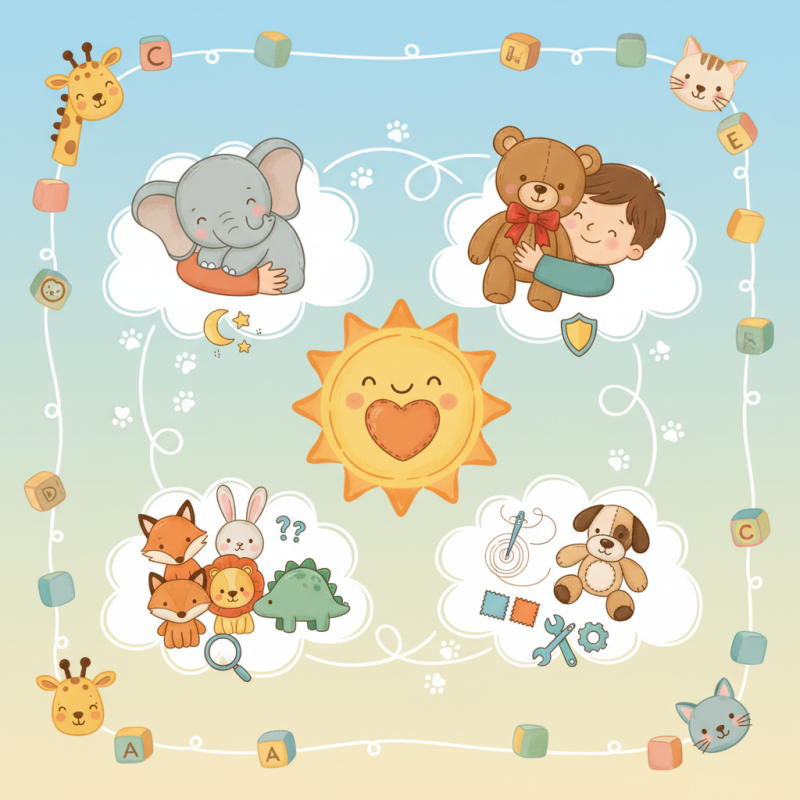
Stuffed toys play a pivotal role in child development. These soft companions help children navigate their emotions. According to the American Academy of Pediatrics, around 70% of children develop empathy through imaginative play with toys. Stuffed animals can be vehicles for children to express feelings that might feel overwhelming. Hugging a plush toy can be comforting in stressful moments.
Children also learn valuable social skills when they engage with stuffed animals. They often create scenarios where their toys interact, developing narrative thinking. Research shows that this type of play enhances cognitive abilities. In fact, a study published in the Journal of Child Development found that children who frequently play with stuffed animals demonstrate better problem-solving skills.
However, not all stuffed toys foster the same development outcomes. A poorly designed toy can lead to frustration or boredom. It is essential to choose toys that spark creativity and engagement. Think about textures, colors, and the stories they can inspire. Each choice matters, shaping a child’s emotional landscape and social learning. Look for those special traits that will resonate with your child.
Importance of Stuffed Toys in Child Development
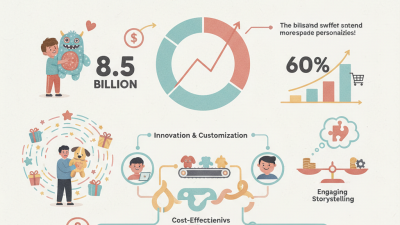
This chart illustrates the key benefits of stuffed toys for children, including emotional support, cognitive development, and social skills enhancement.
Factors to Consider When Choosing a Stuffed Animal for Your Child
Choosing the right stuffed animal for your child involves several important factors. First, consider the
materials used. Reports show that parents often prefer soft, hypoallergenic fabrics.
Almost 70% of parents prioritize safety. Look for toys that meet safety standards. Check for
certifications ensuring they are free from harmful chemicals.
Another critical factor is the size of the stuffed animal. Children often feel more secure with toys they can hold.
Experts recommend selecting animals that are not too small, which can pose choking hazards. A medium-sized plush,
suitable for hugging, is usually a good choice. Pay attention to features like detachable parts, which can be safety
concerns.
Lastly, think about the educational component. Research indicates that toys can enhance emotional and social skills.
Opt for plush toys that encourage imaginative play. They help children express feelings and develop empathy.
Select something that resonates with your child’s interests to spark joy and engagement.
Top Recommended Animal Stuffed Toys for Different Age Groups
When selecting the best animal stuffed toys for children, consider their age and developmental needs. Reports indicate that infants benefit from
soft, colorful toys that stimulate their senses. For toddlers, interactive stuffed animals promote imaginative play and can foster emotional connections. These toys often serve as comforting companions during this critical developmental stage.
A 2022 study highlighted that 70% of parents believe that plush toys play a significant role in their child's emotional development. As children grow into preschool age, they may prefer stuffed animals that reflect characters from their favorite stories or shows. Choosing toys that match their interests can enhance engagement and developmental benefits.
Tips: Ensure that the stuffed toys are age-appropriate, avoiding small parts for younger kids. Look for hypoallergenic materials, especially for children with sensitive skin or allergies. Regularly check toys for wear and tear, as damaged toys can pose safety risks.
Tips for Encouraging Imaginative Play with Stuffed Animal Toys
Imaginative play with stuffed animal toys is crucial for children's development. According to the American Academy of Pediatrics, imaginative play enhances problem-solving skills. This means that engaging with stuffed animals can help children learn to navigate social scenarios. They often mimic situations they observe in real life, allowing them to develop empathy and communication skills.
Choose stuffed animals that spark creativity. Look for animals that represent a variety of species. This variety can inspire imaginative scenarios, from jungle adventures to farm explorations. Parents might notice their kids creating stories where their stuffed animals interact. They often assign personalities and roles. Research highlights that children who engage in this type of play show improved creativity.
However, not all stuffed animal toys will inspire creativity equally. Some might be overly simplistic or fail to resonate with children's interests. Take time to observe what captivates your child. It's common for kids to have preferences that change over time. Parents should remain flexible and willing to explore new options as their child's imagination evolves. Encouraging play with these toys can build a strong foundation for emotional intelligence and critical thinking skills.
What is the Best Animal Stuffed Toy for Your Child? - Tips for Encouraging Imaginative Play with Stuffed Animal Toys
| Animal Type |
Age Recommendation |
Encouraged Play Activities |
Benefits |
| Teddy Bear |
All Ages |
Cuddling, Storytelling, Role Play |
Comfort, Emotional Support |
| Lion |
3+ |
Imaginative Play, Adventure Stories |
Courage, Confidence |
| Elephant |
2+ |
Sharing, Friendship Games |
Empathy, Social Skills |
| Dinosaur |
4+ |
Exploration, Creative Building |
Curiosity, Imagination |
| Unicorn |
4+ |
Fantasy Play, Dream Stories |
Magic, Creativity |