China Top Stuffed Toy Trends and Popular Choices for Collectors?
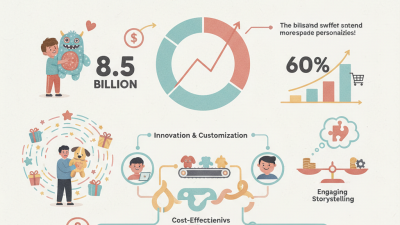
The stuffed toy market in China has witnessed remarkable growth in recent years. According to a report from Grand View Research, the global stuffed toy industry is expected to reach $12.5 billion by 2027, with a significant portion stemming from China. This surge reflects both a rising demand for quality plush toys and a keen interest from collectors.
Many collectors seek limited editions and unique designs that stand out in their showcase. Trends show that many consumers prefer environmentally friendly products. This shift pushes manufacturers to adopt sustainable practices. Collectors often gravitate toward toys that resonate emotionally or narrate a story, adding depth to their collections.
However, challenges in authenticity exist. There are many replicas claiming to be original. This dilemma encourages potential buyers to research thoroughly before purchasing. Understanding the intricate aspects of the market can enhance the collecting experience, ensuring that each addition provides long-term joy.
China's Rising Trends in Stuffed Toy Collections
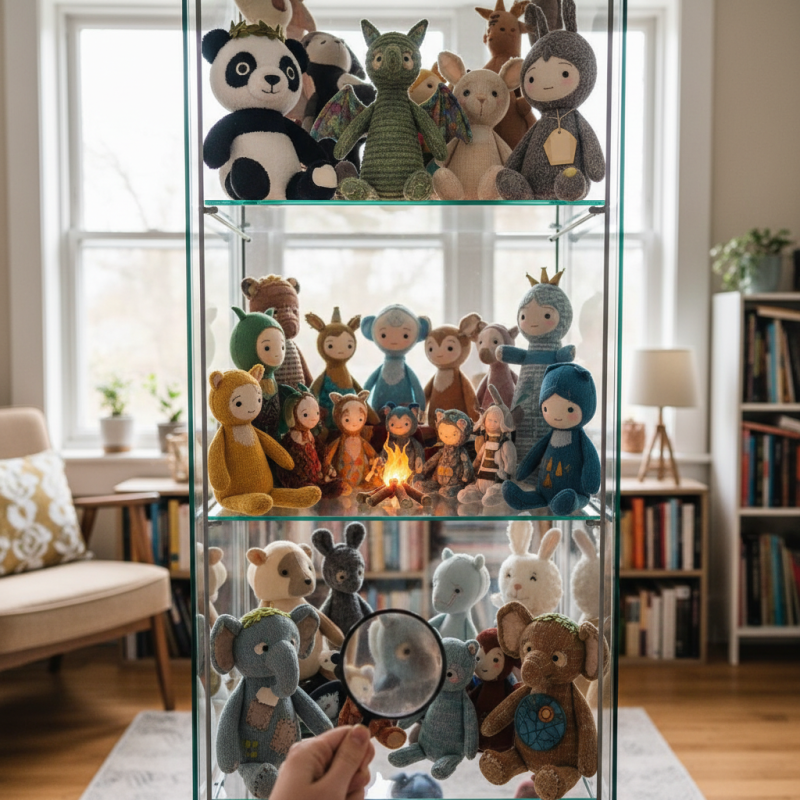
In recent years, China has witnessed a boom in the stuffed toy collection market. Many collectors are now drawn to unique and limited-edition designs. These items often reflect popular culture trends, featuring characters from beloved animations or local folklore. The rise of social media has also fueled this interest, as collectors share their treasures online. This visibility encourages more people to join the hobby.
Local artisans are producing innovative stuffed toys that celebrate Chinese heritage. Handmade options can tell stories and evoke nostalgia. Collectors often seek out these one-of-a-kind pieces. However, as demand grows, so does the potential for mass production. It is crucial to recognize the fine line between genuine craftsmanship and mass-market replicas.
Moreover, sustainability has become a growing concern among collectors. Many prefer eco-friendly toys made from organic materials. While these options are often more expensive, they contribute to a healthier planet. This shift in priorities reflects a deepening awareness of environmental issues. Collectors face the challenge of balancing personal values with their collecting passion.
China's Rising Trends in Stuffed Toy Collections
Popular Themes in Chinese Stuffed Toys for Collectors
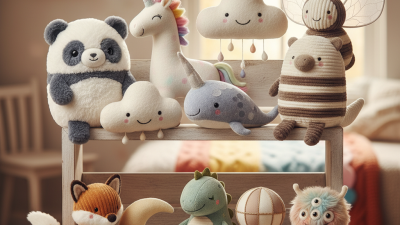
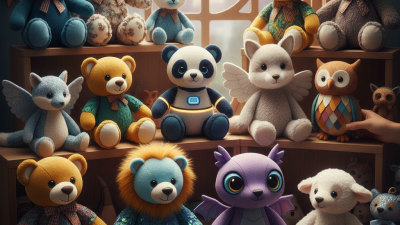
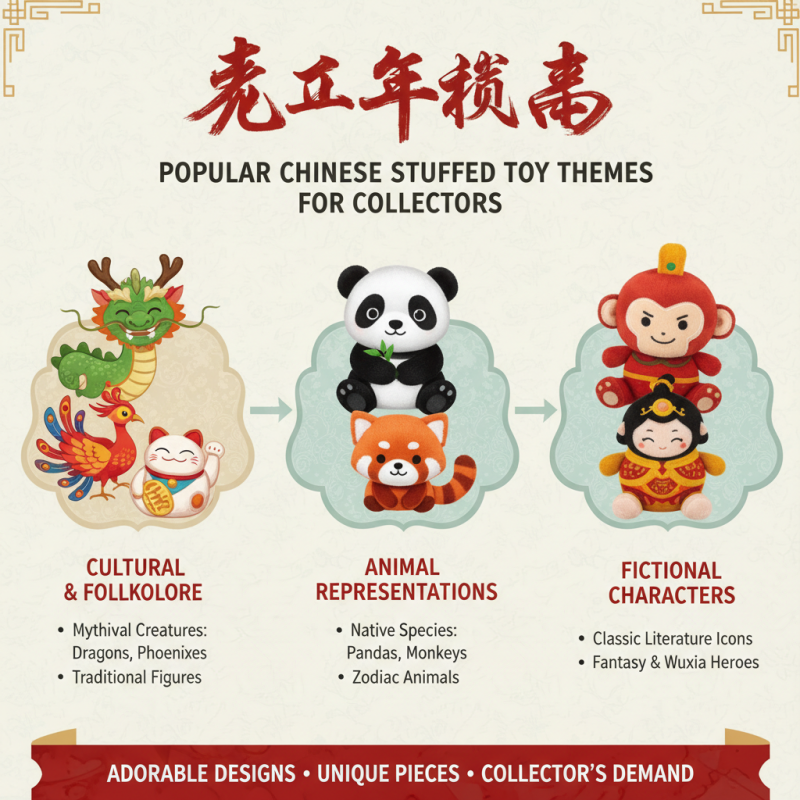
In recent years, Chinese stuffed toys have gained significant popularity among collectors. This demand stems from a variety of themes that reflect cultural aspects, animal representations, and fictional characters. The adorable designs captivate collectors, making them eager to seek out unique pieces. Some of the most popular themes revolve around traditional Chinese folklore, featuring mythical creatures such as dragons, phoenixes, and other iconic figures.
Moreover, animal-themed plush toys are particularly loved. Pandas, koi fish, and even zodiac animals are commonly sought after. Each plush toy often comes with a story or symbolism that resonates with buyers. This blend of cuteness and cultural significance adds to the appeal. However, collectors sometimes grapple with the vast options available, which can lead to indecision. Choosing what to add to their collection can be overwhelming.
Additionally, modern themes inspired by popular culture also catch the eye of collectors. Characters from animation and movies are frequently turned into plush toys. Some collectors feel the pressure to stay updated on trends, causing anxiety. While it's exciting to find rare items, the constant search can lead to fatigue. Thus, balancing passion with practicality becomes essential in this vibrant collecting community.
Notable Brands Leading the Stuffed Toy Market in China
The stuffed toy market in China is booming. Collectors are especially interested in unique and high-quality options. According to market research, the industry is expected to grow by 5% annually over the next five years. This growth reflects changing consumer preferences and a rise in disposable income.
Several notable brands are at the forefront of this trend. These brands focus on sustainability and emotional connection. They appeal to collectors with limited editions and collaborations with artists. This strategy enhances their appeal in a crowded market. However, the challenge for collectors is distinguishing between authentic collectible items and mass-produced toys.
Tips: When starting your collection, research the brand’s history and production methods. Focus on limited editions, as these tend to retain value. Engaging with online communities can help you connect with other collectors and gain insights into market trends. Be cautious; not every popular toy becomes a valuable collectible. Understanding the market is key.
Unique Features of Collectible Stuffed Toys in China
In recent years, collectible stuffed toys in China have gained significant popularity. These toys often reflect cultural elements and local craftsmanship.
Collectors appreciate the intricate designs and unique features that set these items apart. Many stuffed toys feature traditional Chinese symbols, bringing a deep cultural significance that resonates with buyers.
The materials used in these collectibles vary widely. Some toys are handmade, showcasing exceptional artistry. Others may use eco-friendly materials, appealing to environmentally conscious consumers. Popular choices often include limited-edition releases, which can become valuable over time. However, the market also faces challenges. As trends shift quickly, some toys may lose their luster, leaving collectors questioning their investments.
Certain collectible toys display multifunctional features. For instance, some can transform into pillows or bags. These practicality aspects entice buyers looking for more than just aesthetics. Yet, not every new trend will endure. The rise and fall of certain toys illustrate the ever-changing tastes within the market.
Collectors may find themselves navigating an uncertain landscape as they seek to build a meaningful collection.
Tips for Collecting and Caring for Stuffed Toys in China
Collecting stuffed toys has become a popular hobby in China. Many enthusiasts focus on unique and rare items, including limited editions and character-based designs. The market for collectibles has shown significant growth, with estimated values reaching billions in recent years. Reports indicate that collectors are often drawn to toys that evoke nostalgia or represent cultural significance.
When starting or expanding your collection, it’s essential to consider care and preservation. Store stuffed toys in a cool, dry place to prevent damage from moisture and sunlight. Regularly check for any signs of wear or fraying. Cleaning should be done carefully to maintain the toy's integrity. Hand washing is often recommended over machine washing, and using mild detergents helps prevent color fading.
Connecting with fellow collectors can enhance your experience. Attend local fairs or join online communities to share knowledge and tips. Learning from others' experiences can help you avoid common pitfalls. Some collectors find it useful to document their collection, noting the origin, condition, and any special features of each piece. This record-keeping can deepen your appreciation and help you make informed decisions for future acquisitions.