Leave Your Message

How to Source Plush Toys Wholesale?

Sourcing a Plush Toy wholesale product is not simply about finding the lowest factory quotation. It involves design judgment, material knowledge, supplier verification, and careful quality control. A soft bear may look excellent in a sample photograph, yet feel flat, shed fibers, or lose its shape after repeated washing.

Industry data shows why this category deserves closer attention. Grand View Research estimates that the global stuffed and plush toys market will continue expanding through 2030, supported by collectible characters, licensed products, and gift purchasing. Circana’s global toy reports also show that consumers are becoming more selective, while recognizable brands and emotionally engaging products remain resilient. However, market figures vary because research firms classify plush, collectibles, and licensed toys differently. That inconsistency deserves attention.

Toy industry analyst Jim Silver has often emphasized a practical buying question: “Does the toy deliver fun?” That principle applies directly to wholesale sourcing. A reliable Plush Toy supplier must combine safe materials, consistent stitching, accurate colors, and appealing play value. It must also provide clear samples, production photos, inspection records, and realistic lead times.

The strongest sourcing process begins with a written product brief. Specify size, filling weight, fabric type, embroidery details, packaging, and target quantity. Ask for a pre-production sample. Test the seams yourself. Small details matter.

Do not trust a polished catalog alone. Compare at least three suppliers, review their manufacturing experience, and verify independent laboratory testing where appropriate. A cheap unit price can become expensive after defects, delays, or redesigns. The better decision is not always the cheapest one. Often, it is the supplier that communicates clearly and improves after criticism.
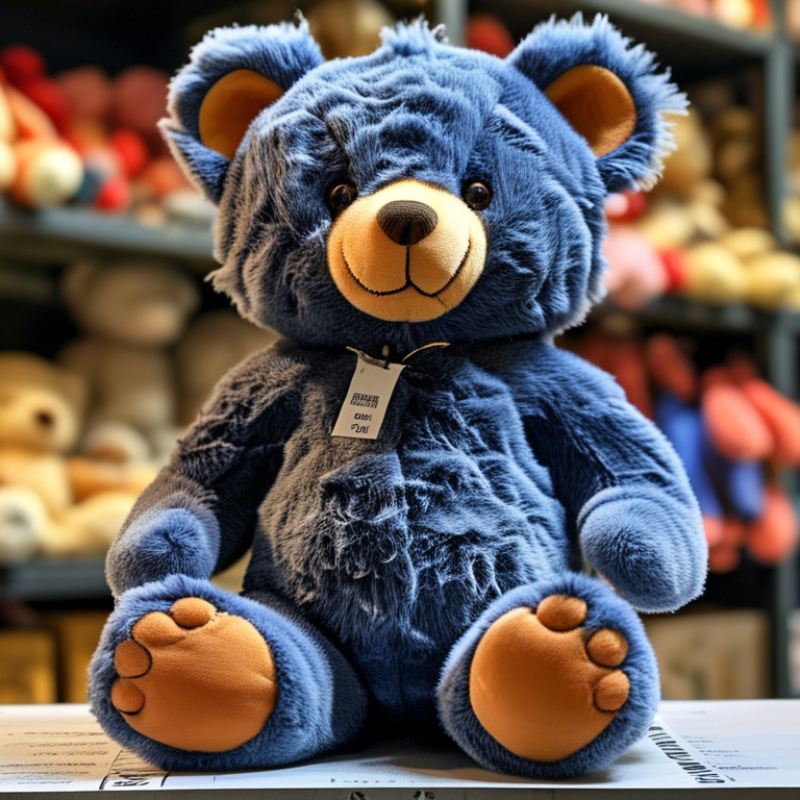
How to Source Plush Toys Wholesale?

Define Your Plush Toy Product and Wholesale Requirements

Before sourcing plush toys wholesale, define the product in measurable terms. Decide the finished size, animal shape, fabric texture, filling softness, colors, and intended age group. A six-inch plush toy needs different stitching details from a twenty-inch display piece. Write these choices into a product specification sheet.

Your wholesale requirements should include quantity, target price, packaging, delivery window, and acceptable quality limits. Specify loose threads, uneven eyes, color differences, and seam strength. Ask for material details and suitable safety test documentation for your target market. Request a physical sample before placing a bulk order. Inspect its weight, softness, embroidery, smell, and stitching by hand. Small details matter.

Be realistic about production. Low minimum quantities may increase unit costs, while rushed schedules can reduce inspection time. I once focused too heavily on appearance and underestimated packaging space. That mistake affected shipping calculations. Build room for sample revisions and quality checks. Confirm how rejected units will be handled, and keep written approval records. Clear requirements make supplier discussions more accurate, although a specification sheet may still need revision after the first sample.
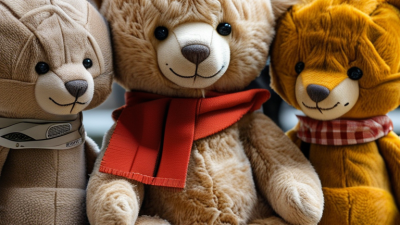
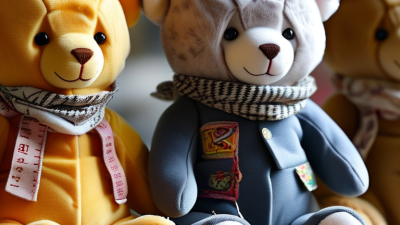
Research and Compare Reliable Plush Toy Suppliers

Reliable plush toy sourcing begins with supplier research, not attractive photographs. I compare at least three suppliers before discussing a large wholesale order. I request company history, production capacity, material details, and previous export experience. Clear answers usually indicate organized operations. Vague replies deserve caution.

I order samples from each shortlisted supplier. Then I inspect stitching, embroidery, stuffing, seams, fabric softness, and loose fibers. I check whether the toy keeps its shape after repeated handling. A polished sample proves little. The bulk product must match it.

I request documented material specifications, safety test reports, and traceability records. These documents should come from qualified testing services when appropriate. I also ask uncomfortable questions about quality control, worker conditions, production changes, and defect handling.

Sometimes I forget to ask about packaging damage, which can create avoidable losses.

Price comparison needs more than a unit-cost table. I compare minimum order quantities, lead times, packaging fees, payment schedules, inspection options, and replacement policies. A low quotation may hide weak materials or inconsistent workmanship. I use a simple scorecard and record every promise in writing. Communication speed matters, but accuracy matters more. My judgment can still be wrong. A small pilot order provides better evidence than confident sales language. Suppliers that accept feedback and document corrections are easier to trust over time.

Check Materials, Safety Standards, and Product Certifications

How to Source Plush Toys Wholesale?

Material inspection should begin before price negotiation. Ask suppliers for fiber composition, stuffing details, dye information, and batch traceability. A soft surface can hide loose fibers, sharp stitching, or poorly secured plastic eyes. I would request pre-production samples, then test seams, pull strength, colorfastness, and flammability. Small details matter.

Safety documentation must match the destination market. Relevant testing may include ASTM F963, EN 71, or ISO 8124 requirements. Use laboratories accredited to ISO/IEC 17025, not only supplier-generated certificates. The U.S. Consumer Product Safety Commission’s 2023 report estimated 231,200 toy-related emergency-room injuries. That figure makes careless sourcing difficult to defend. Check age grading, warning labels, and choking-hazard assessments carefully.

Certification is not a decorative file. Verify the certificate number, testing date, product photos, material description, and factory address. The European Commission’s 2023 Safety Gate report recorded 3,412 product alerts across categories, with toys among frequently notified products. Ask whether the tested sample matches mass production. It often does not.

I once saw a sample with embroidered eyes replaced by plastic parts during production. That change required retesting. Keep inspection records, purchase samples, and shipment photos together. Certainty is useful, but repeated verification is safer.

Request Samples and Evaluate Quality Before Ordering

When sourcing plush toys wholesale, request physical samples before discussing a large order. Photos can hide uneven stitching, thin fabric, or loose filling. Ask for a sample made with the same fabric, stuffing, thread, and production method. A sample is evidence, not decoration. Press the toy’s seams gently. Pull the ears, limbs, and embroidered details. Check whether the stuffing shifts or forms hard lumps. Examine the eyes and nose closely. They should feel secure and evenly attached. Notice the smell, too. A strong chemical odor deserves investigation.

Record each finding on a simple inspection sheet. Measure the toy’s height, weight, and key dimensions. Compare these details with the supplier’s specifications. Test the sample under realistic handling. Rub the fabric, wash it according to its care instructions, and check for color transfer. A short drop test may reveal weak seams. Keep photographs and dated notes for later discussions. Ask the supplier about acceptable production tolerances and relevant material or safety documentation. Some factories provide carefully finished samples, while mass production may vary. This difference matters. I once approved a soft sample before checking the fabric after washing. The bulk material felt rougher. That mistake taught me to request a pre-production sample and written approval before manufacturing begins. Suppliers should explain how they will control that gap.

Plush Toy Sample Quality Evaluation

Before placing a wholesale order, compare product samples against key quality checkpoints. The benchmark scores below use a 10-point evaluation scale, with higher scores indicating stronger sample performance.

Negotiate Pricing, Minimum Orders, Shipping, and Payment Terms

How to Source Plush Toys Wholesale?

Sourcing plush toys wholesale requires more than comparing catalog prices. I usually request samples before discussing volume. A sample reveals stitching, filling density, fabric feel, and packaging space. Then, I ask suppliers for tiered quotations at 100, 500, and 1,000 units. This makes price differences visible. Do not accept a low unit price without checking tooling, labeling, or carton fees. A cheaper quote can become expensive quickly.

Minimum order quantities need practical negotiation. If demand is uncertain, ask for a mixed-design order or a smaller trial batch. Some suppliers may accept this when colors share fabric and packaging. Confirm whether the MOQ applies per design, color, or total order. Shipping terms deserve equal attention. Request carton dimensions, gross weight, port details, and delivery estimates. Compare sea, rail, and air options using identical shipment data. I once underestimated carton volume, and the freight adjustment damaged my margin.

Tips:

Put every agreement in writing. Confirm inspection timing, replacement procedures, production lead time, and payment stages. A 30% deposit and balance after inspection may reduce risk, but terms vary. Avoid paying the full amount before production evidence is available. Use a secure, traceable payment method. Keep a small contingency budget. Negotiations are not always smooth; my first forecast was too optimistic. Review actual costs after each order and adjust the next purchase.