How to Choose the Perfect Soft Toy for Your Child?
Choosing the perfect soft toy for your child can be a daunting task. According to Dr. Emily Parker, a renowned child development expert, "A soft toy provides a sense of security and emotional comfort." This insight highlights the importance of selecting a soft toy that fosters connection.
When considering your child’s needs, think about their personality and preferences. Does your child prefer cuddly animals or vibrant characters? A soft toy should resonate with them and spark joy. The texture, size, and safety of the toy are also crucial. A smaller soft toy might be easier for little ones to carry, while larger ones offer more comforting hugs.
Remember, the right soft toy can become a cherished friend. However, it's also vital to avoid overthinking. Selecting a toy that feels right at the moment can be just as valuable. A toy doesn’t need to be perfect; it just needs to be loved. Reflect on your child’s reactions to different choices. Trust your instincts and have fun in this selection process.
Understanding Your Child's Preferences in Soft Toys
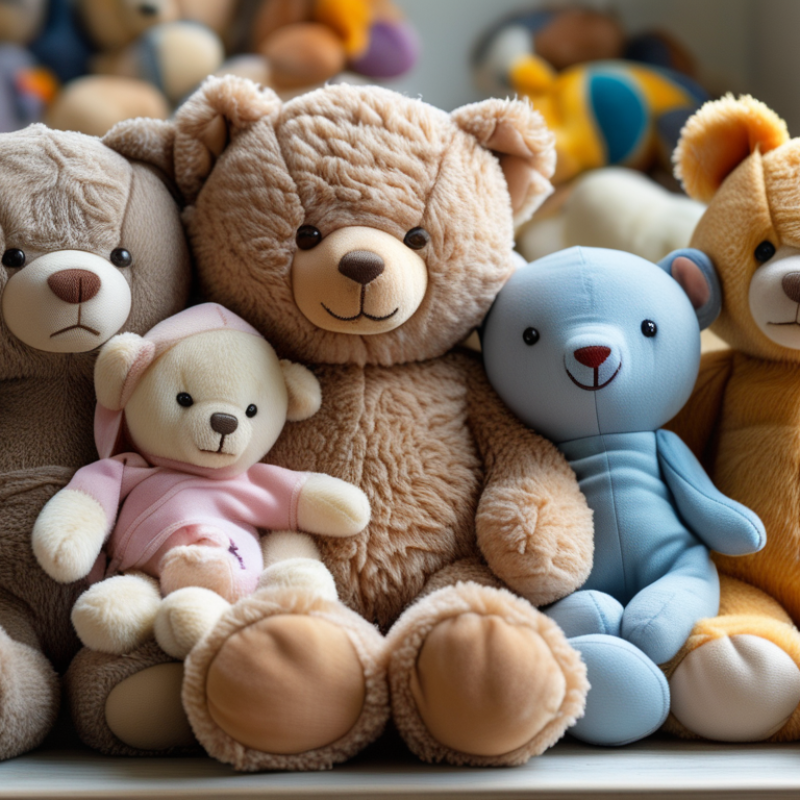
When selecting a soft toy for your child, understanding their preferences is essential. Kids often gravitate toward certain colors and shapes. For instance, if your child loves animals, they might be drawn to plush toys resembling their favorite creatures. You might notice them aligning with specific characters from movies or shows. These details highlight their interests and can guide your choice.
Another aspect to consider is their emotional connection to toys. Some children may seek comfort in a particular soft toy during challenging times. Watch how they interact with different styles. Do they hug larger toys or prefer smaller ones that can easily fit in their backpacks? This insight can help you choose a toy that not only entertains but also provides emotional support.
Importantly, remember that every child is unique and may change their preferences over time. A toy they loved last year could be forgotten now. Strike a balance between popular choices and your child's individual likes. Accept that the perfect choice may require some trial and error. By engaging in open discussions with your child about their preferences, you can ensure their next soft toy brings joy and comfort in the years to come.
Soft Toy Preferences Among Children
Considering Safety Standards and Materials for Soft Toys
When choosing a soft toy for your child, safety standards are paramount. According to the American Society for Testing and Materials (ASTM), toys should meet rigorous safety tests to ensure they are non-toxic and free from harmful substances. Recent studies show that around 50% of soft toys on the market do not meet these basic safety criteria. This alarming statistic highlights the need for careful selection.
Parents should explore the materials used in soft toys. Look for those labeled as hypoallergenic and environmentally friendly. Fabrics like organic cotton are excellent choices. Many commercial soft toys use synthetic materials that can irritate sensitive skin. Thus, understanding the components of these toys is crucial for your child’s health.
When selecting a soft toy, consider its age-appropriateness as well. Not all toys fit every age group. Accessories or small parts can pose choking hazards for younger children. The Consumer Product Safety Commission (CPSC) recommends that soft toys should not have detachable parts for toddlers. Monitoring the usability and safety of toys allows peace of mind for parents.
Choosing the Right Size and Weight of Soft Toys
Choosing the right size and weight of soft toys for your child is crucial. A good soft toy should be manageable for little hands. Consider the child's age and developmental stage when selecting. For toddlers, smaller toys are often safer and easier to handle. A toy that is too big can be cumbersome and may lead to frustration.
Weight matters too. Light toys are easier for kids to carry around. Heavy toys can be overwhelming, especially for younger children who may not yet have the strength. Additionally, a soft toy that is too heavy may not be comforting. A plush toy should provide a sense of security, not weigh down the child.
When shopping, pay attention to your child's reaction. Sometimes, a toy may look perfect but may not feel right for them. They may prefer something that feels a bit different, like softer fabrics or bulkier shapes. Choosing a toy that your child connects with on an emotional level is vital. Listen to their preferences. Observing how they interact with toys can guide you to the best choice for their enjoyment and comfort.
Exploring Different Types of Soft Toys and Their Benefits
When selecting a soft toy for your child, understanding the various types and their benefits is crucial. Soft toys come in many forms, such as plush animals, dolls, and sensory toys. According to a report by the Toy Industry Association, soft toys account for over 30% of the global toy market, indicating their popularity and significance in child development.
Plush animals can provide comfort and security for children, especially in unfamiliar situations. A study published in the Journal of Pediatric Psychology found that children who have favorite stuffed animals exhibit lower anxiety levels. Dolls, on the other hand, encourage imaginative play. They allow children to practice social skills and empathy. Sensorial soft toys, designed for younger children, help in sensory development. They often feature various fabrics, sounds, and textures to engage a child’s senses effectively.
Choosing the right soft toy involves considering your child's personality and needs. Some children may thrive with a simple, cuddly teddy bear, while others might enjoy a doll that sparks imaginative play. It’s essential to reflect on your child's preferences and emotional needs. The right soft toy should balance comfort and developmental benefits. Each choice reflects a step in their growing world.
Evaluating the Soft Toy's Educational and Emotional Value
Choosing a soft toy for your child involves more than just the design. Focus on educational and emotional benefits. Research shows that play enhances cognitive development. A study by the American Academy of Pediatrics highlights that children learn through play. Soft toys can stimulate creativity and problem-solving skills. They encourage imaginative scenarios, crucial for emotional intelligence.
Emotional value is equally important. A soft toy often becomes a child's companion. It provides comfort and security, especially during challenging times. According to a report from the University of Cambridge, attachment to soft toys can help ease anxiety. Many parents notice their children talking to their toys, developing social skills in the process. This interaction may support empathy and compassion, laying a foundation for healthy relationships.
However, not all toys serve these purposes. Some toys may lack the quality needed for engagement. It's essential to choose items that encourage expression and connection. Consider how the toy can facilitate open conversations about feelings. Toys that are overly simplistic may not challenge a child's imagination. Reflect on how the toy fits into your child's world, and be open to the possibility that not every choice will be ideal.
How to Choose the Perfect Soft Toy for Your Child? - Evaluating the Soft Toy's Educational and Emotional Value
| Soft Toy Type |
Educational Value |
Emotional Value |
Recommended Age |
Safety Standards |
| Stuffed Animal |
Fosters imaginative play |
Provides comfort and security |
0-5 years |
ASTM, EN71 |
| Sensory Plush Toy |
Encourages sensory exploration |
Soothes and calms |
0-3 years |
CPSIA, CE |
| Educational Plush Toy |
Teaches numbers and letters |
Builds attachment and trust |
3-7 years |
ASTM, CPSIA |
| Character Plush Toy |
Promotes storytelling |
Aligns with child’s interests |
3 years and up |
EN71, ISO |