Leave Your Message

How to Find the Best Plush Toy Supplier?

Choosing the right Plush Toy supplier is not merely a pricing exercise. It is a quality, safety, and reputation decision.

Grand View Research valued the global plush toys market at approximately USD 10.9 billion in 2022. Its report also projects steady growth through 2030. Fortune Business Insights presents different market estimates, showing why buyers should compare methodologies before trusting a headline number. The opportunity is real. So are the risks.

A dependable supplier should provide material specifications, sample approvals, production photographs, and traceable quality records. Ask for fabric composition, filling details, stitching standards, and packaging information. Examine a sample under bright light. Pull the seams gently. Check whether the eyes, nose, and accessories remain secure. Small details expose weak manufacturing habits.

Richard Gottlieb, a respected toy-industry analyst and founder of Global Toy Experts, has stated, “A supplier is not just a source of product; it is a source of trust.” That principle matters when selecting a Plush Toy manufacturer for children, retailers, or promotional campaigns. A low quotation can hide inconsistent materials, delayed production, or poor communication.

Do not rely on promises alone. Request independent test reports and recent client references. Verify production capacity before placing a large order. Confirm how the supplier manages defective units and revisions. These steps may feel slow. They are cheaper than repairing a damaged brand.

No supplier is perfect. I have learned that even attractive samples can conceal process weaknesses. The best decision combines evidence, direct communication, and practical testing. That is where a reliable Plush Toy partnership begins.
How to Find the Best Plush Toy Supplier?

Define Your Plush Toy Product Requirements

Before comparing plush toy suppliers, define the product precisely. A vague brief creates vague quotations, uneven samples, and avoidable revisions. Grand View Research estimated the global plush toys market at approximately USD 7.1 billion in 2023. That scale attracts many factories, but market growth does not guarantee consistent quality.

Write down the toy’s finished height, sitting position, fabric type, filling weight, colors, and embroidery details. Specify acceptable measurement tolerances, such as ±3 millimeters for small features. Record the target age group, intended market, packaging format, and expected order quantity. Small details matter. A soft toy with a loose thread, hard seam, or poorly secured eye can fail safety testing. Request evidence of relevant testing, including mechanical, physical, flammability, and chemical checks required for your destination market.

Use a requirement sheet that suppliers can quote line by line. Include prototype charges, sample revisions, minimum order quantity, production lead time, inspection points, and carton dimensions. The International Trade Centre reports that buyer requirements increasingly include product quality, safety, and traceability information. Do not rely on attractive photographs. Ask for fabric composition, stuffing specifications, color references, and a clear defect standard. I would also leave space for revision. First specifications are rarely perfect. A cheerful color may photograph poorly, and a “cute” proportion may make the toy unstable. Test the sample in real hands, not only on a screen.
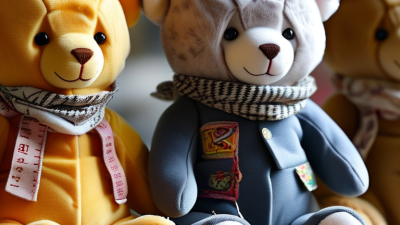
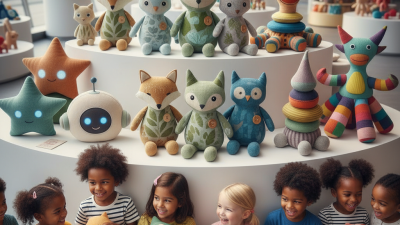
Research and Compare Potential Plush Toy Suppliers

Researching plush toy suppliers requires more than comparing unit prices. Grand View Research projects the global stuffed and plush toy market to grow at over 6% annually through 2030. Meanwhile, Circana reported a 7% decline in global toy sales in 2023. This mixed outlook makes supplier stability important. Request factory details, production capacity, export experience, and recent quality records. A low quotation means little if fabric shortages delay your launch.

Build a comparison sheet with clear evidence. Record minimum order quantity, sample time, production time, payment terms, defect rate, and on-time delivery rate. Ask for material specifications, filling composition, seam-strength results, and test reports aligned with applicable toy safety standards, such as ISO 8124 or EN 71. Verify whether documents match the actual product. Paperwork can look perfect.

Do not rely on one video call. Request a sample with embroidered eyes, firm stitching, balanced filling, and washable fabric. Compare the sample against the approved specification. A third-party factory audit can check worker safety, traceability, and process controls. The scorecard helps, but it is not flawless. Supplier references may be selective. One practical mistake is weighting price too heavily; a slightly cheaper supplier can create higher inspection, rework, and freight costs. Keep a small pilot order before making a larger commitment.

How to Find the Best Plush Toy Supplier?

Use this 100-point evaluation framework to research and compare potential plush toy suppliers. Product safety and compliance receive the highest weight because plush toys must meet applicable market requirements, while quality, production capability, communication, lead time, and commercial terms support the final decision.

Evaluate Quality, Safety, and Production Capabilities

How to Find the Best Plush Toy Supplier?
Evaluate Quality, Safety, and Production Capabilities

A reliable supplier should provide a detailed sample, not only attractive catalog photos. Inspect stitching under bright light and gently test every seam. Check embroidery, fabric softness, color consistency, and stuffing recovery after compression. Wash a sample when the design allows it. A perfect sample can still mislead.

Safety requires documented evidence. Ask for recent reports from accredited laboratories, with clear test scopes and product details. Review checks for loose parts, sharp components, fiber shedding, flammability, and age-related risks. Requirements differ between markets, so confirm the applicable rules before production. Do not accept vague claims. A missing report is a warning.

Production capability is visible in the factory process. Review cutting, sewing, stuffing, assembly, inspection, and packing areas. Ask how workers record defects and correct repeated problems. Confirm minimum order quantities, monthly capacity, lead times, and material traceability. Sample approval should control later batches. One weakness in my own evaluations is trusting polished presentations too quickly. I now compare records with physical samples and request a small pilot order. The numbers may look less impressive, but consistency matters more.

Review Pricing, Minimum Orders, and Customization Options

Finding the best plush toy supplier requires more than comparing the lowest quoted price. Ask for a detailed cost sheet covering fabric, filling, embroidery, packaging, sampling, and shipping. A low unit price may hide expensive sample fees or costly revisions. Request a physical sample whenever possible. Check the stitching, seam strength, fabric softness, embroidery accuracy, and wash performance.

Minimum order quantities deserve careful attention. A supplier may quote 1,000 pieces, but your launch may need only 300. Ask whether a smaller trial order is available and how it changes the unit price. Also confirm payment stages, production time, inspection procedures, and replacement policies. Put every agreed detail in writing. This prevents uncomfortable surprises.

Customization can include size, colors, facial details, labels, accessories, and packaging. Send clear drawings with measurements and color references. Ask who owns the final artwork and whether digital approval is included. My early cost estimates were too optimistic because I ignored packaging volume and sample revisions. That mistake taught me to compare the full landed cost, not just the factory price. A reliable supplier should answer technical questions clearly, provide consistent samples, and explain limitations honestly. Vague promises are a warning sign. So are rushed approvals. Use a small pilot order to test communication, quality control, and delivery accuracy before committing to larger quantities.

Verify Samples, Contracts, and Supplier Reliability

A reliable plush toy supplier should survive more than a pleasant sales call. Start with physical samples, not photographs. Check stitching around ears, eyes, and seams. Pull the features firmly. Rub the fabric with a damp white cloth. Measure the sample against the approved specification. Request material details, filling composition, color references, and test records. The 2023 U.S. Consumer Product Safety Commission annual report shows continued product-safety oversight, so testing cannot be treated as paperwork. Do not trust a glossy sample.

Your contract should convert every promise into measurable requirements. Include dimensions, tolerances, fabric weight, filling standards, packaging, inspection points, delivery dates, and corrective-action rules. Add written approval procedures for any material change. A pilot order can expose weak stitching or inconsistent stuffing before larger production. The 2023 Deloitte Global Chief Procurement Officer Survey identifies supplier risk and supply disruption as continuing procurement challenges. That supports using staged payments and independent pre-shipment inspection. Small safeguards matter.

Supplier reliability also needs evidence. Ask for two recent customer references, production capacity, quality-control records, and traceability documents. A factory visit, live video inspection, or third-party audit can reveal crowded worktables and unfinished cartons. Verify that the contract entity matches the manufacturing entity. This detail is often missed. Review responses for clarity and speed, but do not confuse fast replies with dependable performance. My own preferred process would include a written scorecard, although scorecards can create false confidence when evidence is thin. Recheck everything before scaling.

How to Find the Best Plush Toy Supplier? - Verify Samples, Contracts, and Supplier Reliability

Evaluation Dimension Verification Point Recommended Evidence Practical Acceptance Standard Suggested Weight Risk Level if Not Verified
Sample Accuracy Appearance and construction match the approved specification Signed sample approval sheet, measurement report, dated photographs All critical dimensions, colors, materials, embroidery, and accessories match the approved sample 15% High
Sample Durability Seam strength, filling retention, and attachment security Pull-test results, seam inspection, wash or abrasion test records where applicable No open seams, loose filling, detachable parts, or visible damage after agreed testing 12% High
Material Documentation Fabric, stuffing, thread, dyes, and accessory specifications Material composition sheets, supplier declarations, batch traceability records Every material is identified by composition, color, batch, and approved source 10% High
Safety Compliance Product testing appropriate to the destination market and age grade Recent laboratory test reports, risk assessment, warning-label review Reports cover the finished product and match the final design, materials, and intended age range 15% Critical
Contract Clarity Specifications, quantities, prices, tooling, packaging, and ownership terms Signed manufacturing agreement, purchase order, technical specification appendix No important commercial or technical requirement is left only in email or verbal discussion 10% High
Quality Control Terms Inspection method, defect classification, and corrective-action process Approved inspection checklist, sampling plan, defect limits, corrective-action form Acceptance criteria are measurable and inspection timing is defined before shipment 10% High
Production Capacity Ability to meet the required quantity and delivery schedule Capacity statement, production schedule, confirmed lead-time plan Capacity is supported by a written schedule with material, production, and inspection milestones 8% Medium
Delivery Reliability History of meeting confirmed production and shipping dates Anonymized delivery records, purchase-order history, independent reference checks A documented record of on-time performance is available for comparable orders 8% Medium
Communication Reliability Response speed, issue escalation, and document accuracy Trial-order communication log, meeting records, response-time tracking Questions receive clear written responses, and changes are confirmed before production 5% Medium
Payment and Remediation Payment milestones, replacement terms, refunds, and dispute handling Contract clauses, invoice schedule, replacement or credit procedure Payment is linked to defined milestones, with written remedies for nonconforming goods 7% High
Recommended decision rule: approve only after all critical safety and sample requirements pass 100% Pass / Hold
Recommended review sequence: verify the physical sample first, confirm safety documentation for the finished product, finalize measurable contract terms, inspect during production, and retain shipment records for future supplier reviews.