2026 Top Plush Toy Trends You Need to Know About?
As the world of children's toys evolves, plush toys continue to hold a special place in the hearts of many. The comfort and familiarity they offer make them timeless favorites. In 2026, we will see exciting trends emerging for plush toys that reflect contemporary culture and interests. These trends not only highlight new designs but also incorporate sustainability and interactive features.
Drawing from the latest consumer insights, the plush toy market is ready for innovation. Parents are increasingly looking for designs that stimulate imagination. Some of the new plush toys to watch for include eco-friendly materials and technology integration. Brands are increasingly prioritizing eco-conscious choices, appealing to parents searching for responsible options.
Even with these advancements, challenges remain. Despite trends, not every plush toy will resonate with all children. It is essential to consider varying tastes and engage young audiences effectively. Understanding what drives preferences can be a complex journey, but it is crucial for the growth of the plush toy industry. Keep an eye on these trends to navigate the plush toy landscape in the coming years.
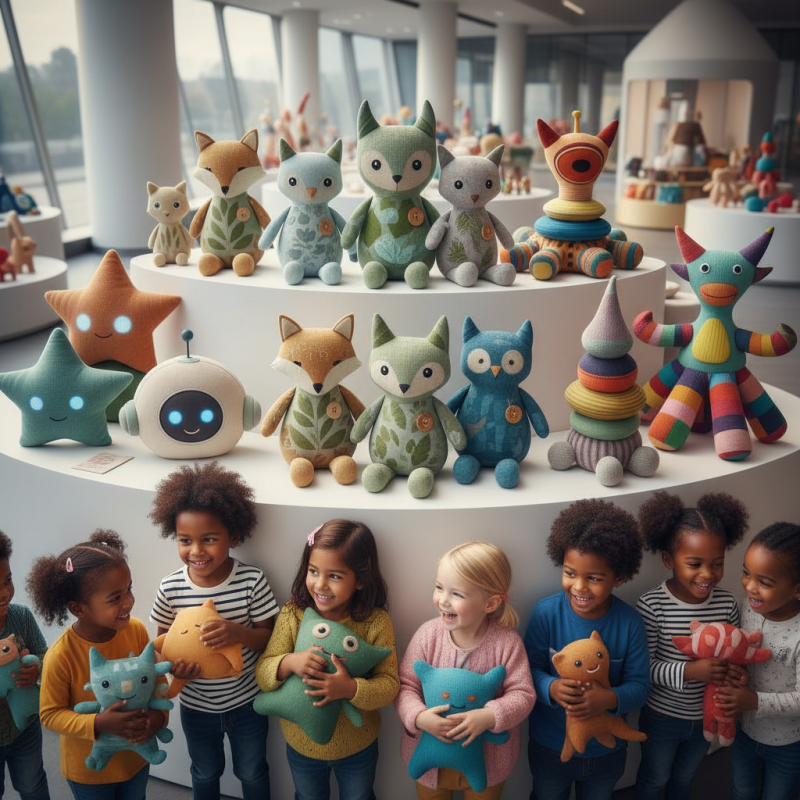
Emerging Materials in Plush Toy Production for 2026
As we approach 2026, the plush toy industry is witnessing a significant transformation. Emerging materials are at the forefront of this evolution, driving creativity and environmental responsibility. Recent industry reports suggest that eco-friendly materials will account for nearly 40% of plush toy production by 2026. These materials not only reduce environmental impact but also appeal to a growing demographic of eco-conscious consumers.
One promising trend is the use of recycled plastics in plush toy manufacturing. Sourcing polyester fibers from post-consumer bottles can cut energy usage by up to 50%. This innovative approach allows for the production of softer and more durable plush toys. Additionally, bio-based materials such as organic cotton are gaining traction. Their natural properties are especially appealing for sensitive consumers and young children. However, sourcing these materials is not without challenges. The supply chain can be inconsistent, creating hurdles for manufacturers.
Moreover, the adoption of new technologies plays a crucial role in this transformation. 3D knitting technology enhances design flexibility while minimizing waste. However, this tech is still in its infancy. Many manufacturers struggle with high initial costs. Balancing innovation with affordability will be vital for widespread adoption. As the plush toy market evolves, these emerging materials and technologies will shape the future of this cherished industry.
Innovative Plush Toy Designs Capturing Consumer Attention
The plush toy market is evolving rapidly, with innovative designs capturing consumer attention like never before. In 2023, market analysis highlighted a 12% growth in the plush toy sector, driven by unique and whimsical designs that stand out on shelves. Consumers are now actively seeking toys that not only provide comfort but also reflect their personal style. This trend underscores a significant shift toward customization and personalization in the plush toy industry.
Eco-friendly materials are becoming a priority for consumers, prompting manufacturers to rethink their approaches. A recent industry report showed that over 70% of buyers prefer plush toys made from sustainable resources. This demand for greener options suggests a broader cultural shift towards environmentally responsible products. Still, many brands struggle to balance affordability with sustainable practices, leading to concerns about accessibility.
Moreover, interactive plush toys have gained traction, engaging children more effectively. Reports indicate that 60% of parents appreciate toys that promote learning through play. However, despite the excitement around these innovations, some designs have failed to resonate with audiences, highlighting the risk of overcomplicating simple pleasures. The challenge remains: how to create toys that are not just appealing but also meaningful in a child's development.
2026 Top Plush Toy Trends
Popular Themes and Characters Influencing Plush Toy Trends
As we approach 2026, the world of plush toys is blossoming with fresh themes and characters that resonate with all ages. Nostalgic characters from classic cartoons are making a significant comeback. Think of beloved animals and fantasy creatures that many adults cherished in their youth. These plush toys often evoke cherished memories, giving them a unique appeal. The tactile pleasure of these soft toys adds to their allure, making them irresistible to collectors and children alike.
Another emerging trend is the integration of eco-friendly materials in plush toy production. Many consumers now prioritize sustainability. Plush toys made from organic fabrics and recycled materials are gaining popularity. Eco-conscious parents seek these products for their children. This shift reflects a growing awareness of the environment and a desire to make responsible purchases. However, not all brands can guarantee the same level of sustainability, which can confuse consumers.
Character-driven plush toys are also thriving. Popular movies and series continue to inspire new designs. Familiar characters can create an emotional connection, making these toys feel special. However, relying heavily on trends can backfire. Not every character lasts in popularity. This constant change forces manufacturers to keep reinventing their offerings. Balancing innovation with timeless designs might be a challenge. It’s worth questioning how long these themes will resonate in an ever-evolving market.
2026 Top Plush Toy Trends You Need to Know About
| Trend |
Popular Themes |
Top Characters |
Materials Used |
Age Group |
| Eco-Friendly Plush Toys |
Sustainability |
Animal Characters |
Organic Cotton |
3-10 years |
| Interactive Plush Toys |
Technology Integration |
Superheroes |
Plush with Sensors |
5-12 years |
| Customizable Plush Toys |
Personalization |
Fantasy Creatures |
Various Fabrics |
All Ages |
| Storytelling Plush Toys |
Literature & Tales |
Classic Characters |
Soft Velour |
4-8 years |
| Cuddly Therapy Plush Toys |
Emotional Support |
Friendly Animals |
Weighted Fabric |
All Ages |
Sustainability in Plush Toy Manufacturing and Consumer Preferences
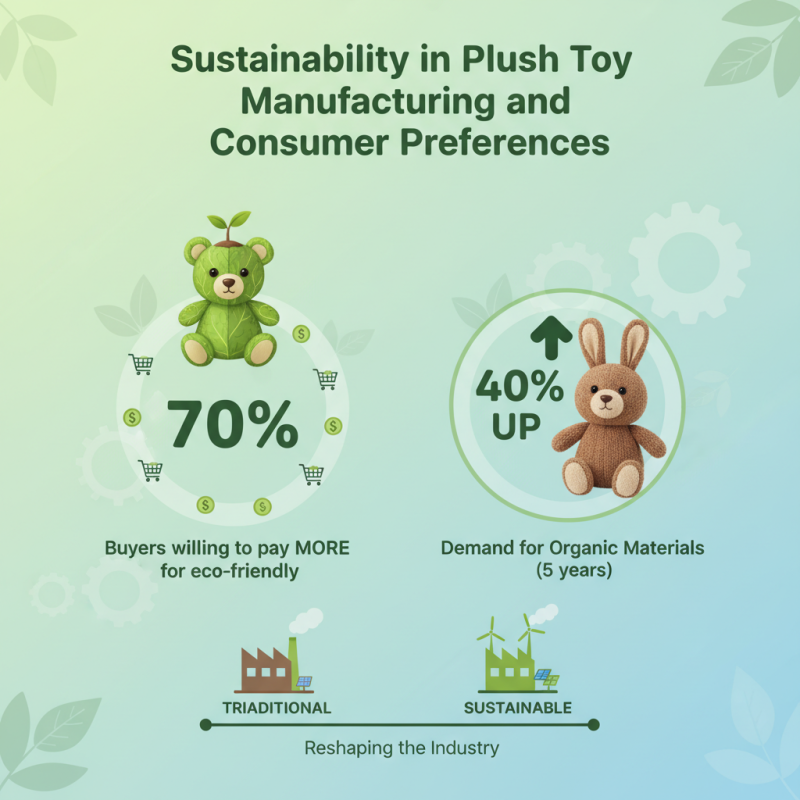
Sustainability is reshaping the plush toy industry. As consumers become more eco-conscious, their preferences are shifting towards sustainable production practices. According to a recent industry report, 70% of buyers are willing to pay more for eco-friendly products. The demand for plush toys made with organic materials has surged by 40% over the past five years. This trend underscores a significant change in consumer behavior, focusing on environmental responsibility.
Tips: Look for plush toys certified by recognized sustainability standards. Check if they’re made from recycled or organic materials.
Manufacturers are also adapting to this change. Many are focusing on reducing their carbon footprint. They are optimizing supply chains and using water-based adhesives. However, not all companies fully commit to these practices, leading to potential greenwashing. Transparency in sourcing and manufacturing processes is crucial.
Tips: Research brands’ sustainability claims before purchasing. Consider the life cycle of the product to ensure it meets eco-friendly standards.
The Role of Technology in Shaping Plush Toy Experiences
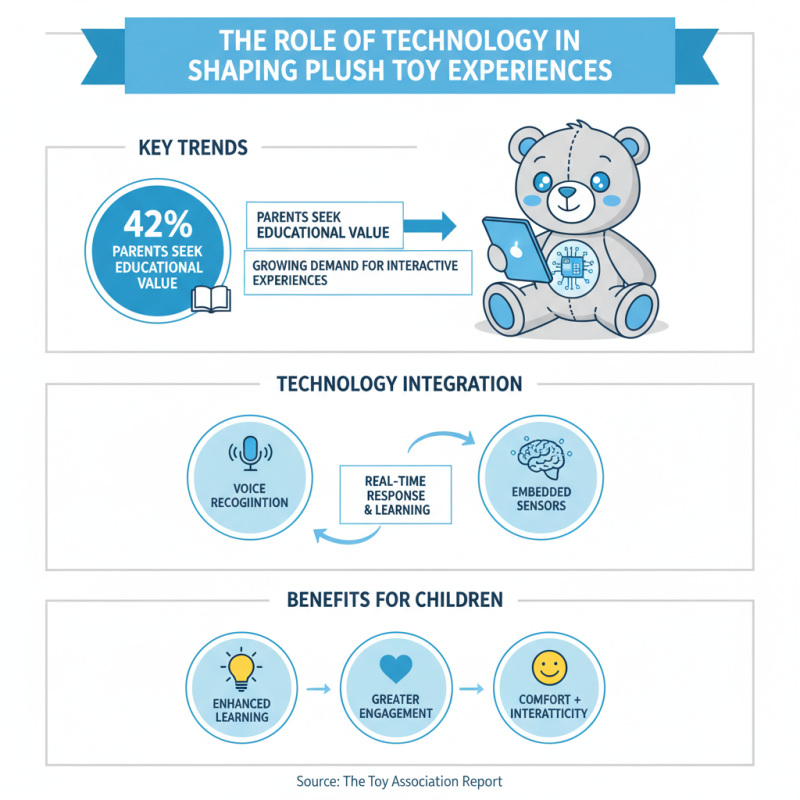
The integration of technology in plush toys is reshaping how children interact with them. A recent report by the Toy Association revealed that 42% of parents are looking for educational value in the toys they buy. This trend reflects a growing demand for plush toys that offer not just comfort but also interactive experiences. Voice recognition features and embedded sensors are increasingly common in modern plush toys, enabling them to respond to children in real-time.
Additionally, augmented reality (AR) has made its way into the plush toy market. Research indicates that 38% of children aged 5-12 are interested in toys that connect with digital experiences. This blend of technology and soft toys creates a more immersive play environment. However, the reliance on technology raises concerns about the potential for diminished imaginative play. Many experts argue that while interactive features are engaging, they should not replace traditional play.
Despite these advancements, there are challenges to consider. For instance, not all parents are comfortable with tech-driven toys. Some worry about screen time and its effects on children. Furthermore, the maintenance of such toys can be problematic, particularly as technology evolves. Finding a balance between traditional play and modern technology remains an open dialogue in the industry. With the right approach, toys can provide enriching experiences without losing the essence of imaginative play.