What is the Best Pet Toys for Dogs and Cats?
When it comes to keeping our furry friends entertained, finding the right pet toys is essential. Dr. Emily Carter, a renowned animal behaviorist, emphasizes, "The right toys not only stimulate pets but also strengthen our bond with them." Pet toys can enhance physical and mental well-being, offering dogs and cats not just playtime, but also opportunities for learning and exploration.
Selecting the best pet toys requires understanding specific needs and preferences. For example, puppies may prefer chew toys, while older dogs might enjoy interactive puzzles. Cats often respond well to toys that mimic hunting behaviors. Observing your pet’s habits can guide you in choosing the most suitable options. However, even the most thoughtful selections can vary; pets have their own unique tastes.
Ultimately, the pet toy industry offers an array of choices, but not all toys are created equal. Pet owners should consider safety, durability, and suitability. Investing in quality toys can lead to happier, healthier pets. In the world of pet toys, the best options may take time to discover, inviting reflection on how we can continually meet our pets' needs.
Types of Pet Toys for Dogs and Cats
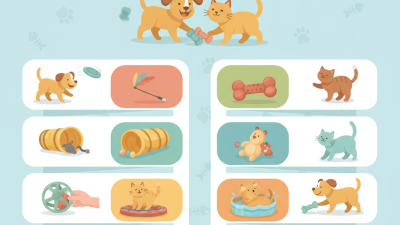
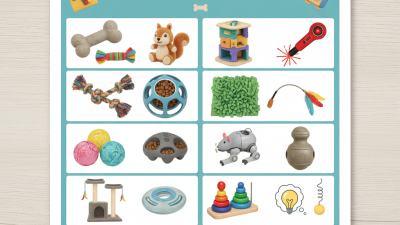
When choosing pet toys, consider the different types available for dogs and cats. Each type serves a unique purpose. Chew toys, for example, are excellent for dental health. They can keep dogs entertained and reduce anxiety. Look for durable materials that withstand aggressive chewing.
For feline friends, interactive toys stimulate their natural hunting instincts. Wand toys and laser pointers can engage cats for hours. These toys often encourage exercise, which is essential for their health. However, ensure they’re safe and suitable for your cat's age and activity level.
Puzzle toys are another option for both dogs and cats. They challenge pets and promote cognitive skills. Filled with treats, these toys can keep pets busy while providing mental stimulation. Not all pets enjoy similar toys, so observe what sparks your pet's interest. Adjust your choices based on their preferences and play style.
Factors to Consider When Choosing Pet Toys
When selecting toys for your pets, consider their age and size.
Puppies and kittens need softer, smaller toys.
Older dogs and cats might require sturdier options. A toy that is too big can cause frustration.
Likewise, toys that are too small can be a choking hazard.
Evaluate your pet’s chewing habits as well. Some dogs are aggressive chewers,
and they need specific materials to withstand their strength.
Material safety is also crucial. Look for non-toxic substances in toys.
Pets tend to chew and sometimes ingest parts of their toys. Durable fabrics and rubber are generally safer options.
Additionally, think about your pet's interests. Some dogs enjoy squeaky toys, while others prefer plush ones.
Engaging your pet with a variety of textures might help keep them entertained.
Lastly, observe how your pet interacts with their toys. Do they lose interest quickly? This is a sign that the toy may not be suitable.
It’s essential to experiment and adjust according to their behavior. An ineffective toy may lead to boredom, impacting their health and happiness.
Engaging the senses of your pets can create a more fulfilling playtime experience.
Top Recommended Dog Toys for Different Breeds
When choosing toys for dogs, consider their breed and lifestyle.
Larger breeds like German Shepherds need sturdy, durable toys.
They enjoy interactive toys that challenge their minds. Balls and
tug ropes can provide hours of entertainment. Smaller breeds,
such as Chihuahuas, may prefer softer toys. Look for plush options
that are easy for them to carry.
Cats are different. They thrive on toys that stimulate their hunting instincts. Wand toys,
with feathers or strings, encourage chasing and pouncing. Small, lightweight balls
can keep them engaged for long periods. Cats may also appreciate puzzle toys that dispense treats, encouraging
mental agility.
It's crucial to regularly evaluate the toys for wear and tear. If a toy is damaged, it can pose a choking hazard.
Ensure that the toys suit your pet's preferences. Not every dog or cat will enjoy the same type of play.
Observing their behavior can guide you to make the right choices.
Best Cat Toys for Engaging Playtime
When it comes to engaging playtime for your cat, choosing the right toys is crucial. Interactive toys can stimulate your cat's natural instincts to pounce and chase. Feather wands and laser pointers are popular choices, often sparking bouts of excitement. Cats love the challenge of catching something they perceive as prey. The thrill keeps them active and entertained for hours.
Puzzle toys are another great option. They stimulate your cat’s mind and encourage them to problem-solve. Fill these toys with treats to reward their efforts. However, not every cat will readily engage with these toys. Some may prefer simpler options like balls or stuffed mice. Observing your cat’s preferences is essential to selecting the best toys.
Rotating toys can also prevent boredom. Cats are curious creatures, so introducing new toys periodically can keep their interest alive. Regularly cleaning and checking toys for wear and tear is essential. A broken toy can lead to frustration or even injuries. Therefore, ensuring safety should always be a priority. By selecting the right variety of toys, you can create an engaging environment that keeps your cat active and healthy.
What is the Best Pet Toys for Dogs and Cats? - Best Cat Toys for Engaging Playtime
| Toy Type |
Species |
Material |
Features |
Recommended Age |
| Interactive Ball |
Dog |
Rubber |
Squeaks, floats |
All ages |
| Catnip Mouse |
Cat |
Fabric |
Filled with catnip |
All ages |
| Frisbee |
Dog |
Plastic |
Lightweight, easy to throw |
6 months and up |
| Wand Toy |
Cat |
Plastic, feather |
Interactive, promotes exercise |
All ages |
| Chew Toy |
Dog |
Nylon |
Durable, dental benefits |
Puppies and adults |
Safety Tips for Choosing Pet Toys
When selecting pet toys, safety should be the top priority. According to a 2021 report from the American Pet Products Association, around 70% of pet owners prefer toys that are non-toxic and durable. Toys made from natural materials are often safer. Look for certifications, such as those from the Association of American Feed Control Officials (AAFCO). These can provide assurance about safety standards.
Inspect toys regularly. Wear and tear can pose hazards. A broken toy may lead to choking or injury. Research shows that over 80% of pet injuries from toys occur due to lack of supervision or damaged products. Avoid toys with small parts or removable pieces. Pets can easily swallow them. Choosing the right size is equally important. A toy too small can be a choking risk, while one too large may frustrate your pet.
Keep in mind that each pet is unique. A toy that excites one dog may not interest another. Regularly changing toys can help maintain your pet’s engagement. Monitor their play behavior for any signs of distress. Sometimes, a toy that looks safe may actually cause anxiety or frustration. Always prioritize the well-being of your pet when selecting their toys.
Dog and Cat Toy Safety Ratings