Top 10 Soft Toys That Every Child Should Have?
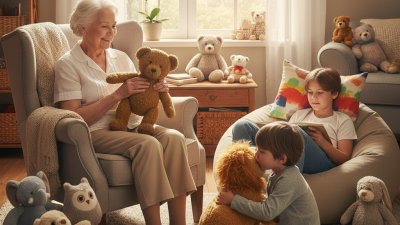
When it comes to childhood, every child deserves a cuddly companion. Soft toys play a vital role in nurturing emotional development. According to Dr. Emily Wright, a renowned child psychologist, "Soft toys provide comfort and a sense of security for young children." Her insight emphasizes the importance of these plush friends.
From the moment a child wraps their arms around a soft toy, a bond forms. These toys become confidants, sharing secrets and fears. They also serve as catalysts for imaginative play, inspiring creativity. A well-chosen soft toy can spark hours of adventure and storytelling.
However, not all soft toys are created equal. Parents sometimes overlook the significance of quality and safety. It is essential to consider materials and construction. The right investments in soft toys can have lasting benefits. A thoughtful choice can lead to cherished memories and developmental support. Being aware of these factors can enhance a child's experience with soft toys.
Essential Features to Consider When Choosing Soft Toys
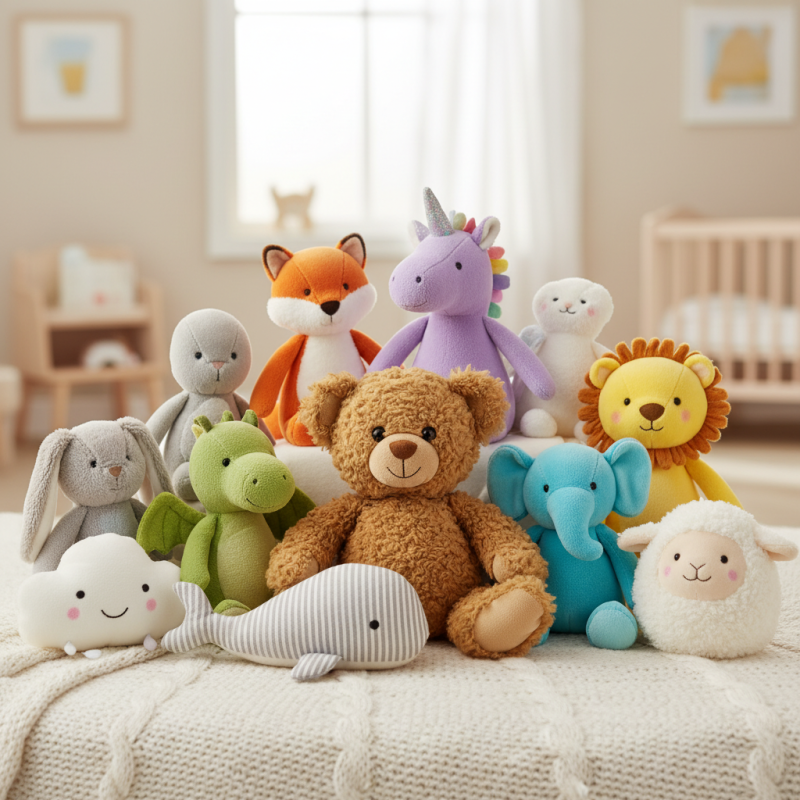
When selecting soft toys for children, certain features are vital. Safety is paramount; toys should be free from small parts and non-toxic materials. According to the Consumer Product Safety Commission, over 200,000 toy-related injuries occur each year in the U.S. alone. Choosing age-appropriate items is crucial. Toys intended for older children may pose choking hazards for toddlers.
The texture of soft toys also matters. Babies and toddlers often respond better to plush materials that are soft and comforting. A report by the American Academy of Pediatrics suggests that tactile stimulation helps in the sensory development of children. Durability is another consideration; toys should withstand wear and tear from daily use. A study shows that children often bond with their toys, making it essential for these items to endure.
Parents should pay attention to maintenance as well. Machine-washable toys can alleviate parental stress. Regular cleaning is often overlooked, yet dirty toys can harbor germs. It is important to create a safe and clean play environment. Knowledge about these aspects can help in making informed choices.
Top 10 Soft Toys That Every Child Should Have
| Toy Name |
Material |
Age Range |
Main Features |
Washable |
| Classic Teddy Bear |
Plush |
0-12 months |
Soft, huggable, classic design |
Yes |
| Animal Plush Toy |
Cotton |
1-3 years |
Realistic features, cuddly |
Yes |
| Character Plush |
Polyester |
3-6 years |
Favorite character from kids' shows |
Yes |
| Blanket Buddy |
Fleece |
0-3 years |
Combination of toy and blanket |
Yes |
| Soft Ball |
Fabric |
1-4 years |
Safe for indoor/outdoor play |
Yes |
| Bunny Soft Toy |
Velvet |
0-5 years |
Long ears, soft texture |
Yes |
| Dollhouse Playset |
Fabric/Plastic |
3-8 years |
Interactive play, storytelling |
Yes |
| Cuddle Pillow |
Memory Foam |
0-10 years |
Dual function as a pillow and toy |
Yes |
| Furry Monster Soft Toy |
Synthetic Fur |
5-10 years |
Unique design, interactive eyes |
Yes |
| Personalized Soft Toy |
Cotton/Polyester |
All ages |
Customized with name or message |
Yes |
Top 5 Classic Soft Toys That Have Stood the Test of Time
When it comes to classic soft toys, several have truly stood the test of time. These toys provide comfort and companionship to children. According to industry reports, 75% of children aged 2-5 years old own a soft toy. This statistic highlights the importance of soft toys in early childhood development.
Teddy bears are perhaps the most iconic soft toy. They symbolize security and love. Data from the Toy Industry Association shows that over 90% of parents believe soft toys help children develop emotional skills. Children often form deep attachments to their teddy bears, making them integral to nighttime routines.
Another classic is the rag doll. These handmade toys encourage creativity and storytelling. Research indicates that children who engage in imaginative play experience higher cognitive development. Additionally, plush animals, like stuffed dogs or cats, foster empathy. Children learn to care for their toys, reflecting their nurturing side. These timeless toys not only entertain but also play a vital role in childhood growth.
Unique and Novel Soft Toys to Spark Imagination
Soft toys have a unique ability to nurture a child's imagination. They are not just playthings but companions that inspire creativity. Picture a cuddly dragon that can fly through magical lands or a gentle elephant that shares secrets under starlit skies. These toys become avenues for storytelling, allowing children to craft their own adventures.
Choosing soft toys that spark imagination is essential. Look for designs that are vibrant and captivating. A soft toy dressed as a knight can inspire tales of bravery. A plush unicorn can transport children to dreamy realms. While they might seem simple, the right soft toy ignites a child's ability to dream and think creatively.
Not all toys are created equal. Some may be too generic or lacking in detail, which can limit a child's creativity. Reflecting on the importance of engaging designs is crucial. A less refined toy might miss the essence of play. Opt for those that allow for interaction and personalization. Children thrive when they can create their own narratives around their toys, making unique soft toys an investment in their imaginative growth.
Top 10 Soft Toys That Every Child Should Have
This chart showcases the popularity ratings of top soft toys that every child should have. Each toy is rated based on its appeal and importance in sparking imagination in children.
Educational Benefits of Soft Toys for Child Development
Soft toys play a significant role in a child's development. These cuddly companions offer emotional support, helping children navigate their emotions. Children often project their feelings onto stuffed animals. This can be a natural way for them to express themselves. They create narratives, allowing for imaginative play that fosters creativity.
Moreover, soft toys can be educational tools. They encourage social skills by promoting sharing and cooperation during play. As children interact with their toys, they learn to communicate. This type of engagement helps build vocabulary and language skills. For instance, kids may describe their actions while playing, which enhances their ability to articulate thoughts.
However, it is important to consider the potential downsides. Not all children will respond positively to soft toys. Some may rely too heavily on them, leading to difficulty in social settings. It is essential to balance soft toy use with real-world interactions. Parents and caregivers should encourage playdates and structured activities alongside soft toy companionship. This approach can help ensure a well-rounded developmental experience.
Safety Standards and Care Tips for Soft Toys
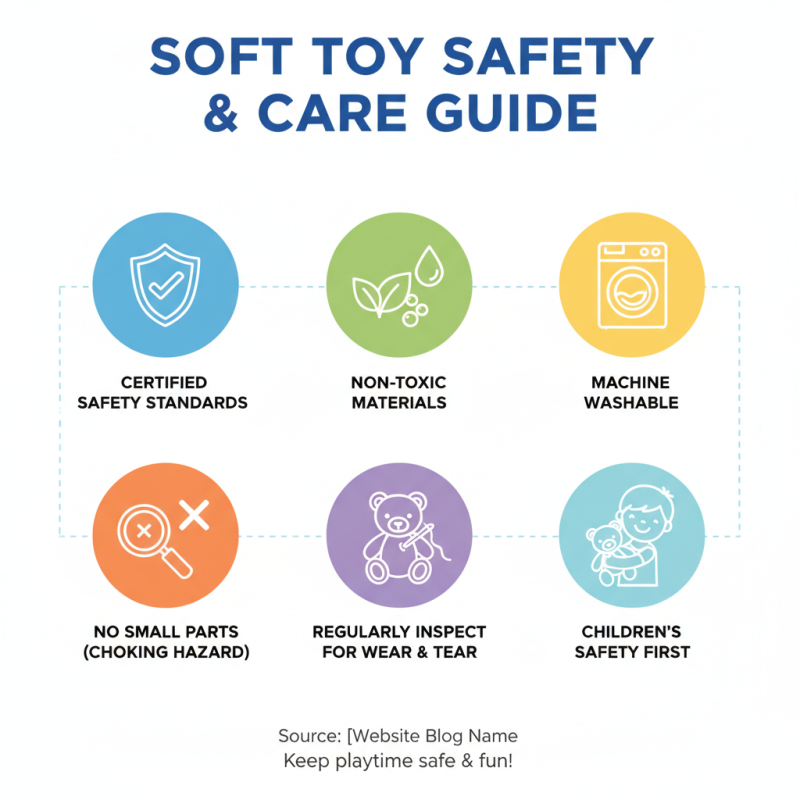
When it comes to soft toys, children's safety is paramount. Ensure that any toy meets safety standards. Look for labels that indicate non-toxic materials. Choose plush toys that are machine washable for easy cleaning. Check for small parts to avoid choking hazards. Regularly inspect the toys for wear and tear, as damaged toys may pose risks.
Caring for soft toys is essential to maintain their safety and appeal. Follow cleaning instructions closely. Sudden temperature changes can damage delicate fabrics. Soft toys should always be cleaned before giving them to children, especially if they are second-hand. Storing these toys away from direct sunlight helps preserve their colors and fabric integrity.
Encourage children to take care of their toys. Establish a routine for cleaning and inspecting them. This teaches responsibility while ensuring their safety. Despite your best efforts, accidents can happen. Be ready to address any issues promptly. Regularly engage your child in conversations about their toys, creating awareness about safety. This nurturing environment promotes both safety and emotional connections with their favorite companions.