2026 Top Soft Toy Trends for Global Buyers to Watch?
As the world of Soft Toys continues to evolve, buyers must stay informed about emerging trends. Industry expert, Dr. Emma Carter, emphasizes, “The future of Soft Toys lies in creativity and sustainability.” In 2026, we expect a rise in eco-friendly materials. Parents will seek options that are safe for children and the planet.
Soft Toy designs will also embrace technology. Interactive features are becoming essential. Toys that respond to children's voices or movements can spark imagination. However, these trends raise questions about balancing high-tech features with simplicity. Not all families may prefer this tech-driven approach.
Inclusivity in design is another important trend to monitor. Buyers should seek toys that represent diverse cultures and backgrounds. While these efforts are commendable, there can be challenges in executing authentic representation. Brands need to reflect on their narratives and ensure they resonate with children from all walks of life.
Emerging Materials in Soft Toy Manufacturing for 2026
As we approach 2026, the landscape of soft toy manufacturing is evolving. Eco-friendly materials are gaining traction. Manufacturers are focusing on biodegradable fabrics and organic fibers. These materials not only reduce environmental impact but also cater to health-conscious consumers. Moreover, recycled plastics are becoming popular. This shift meets the demand for sustainability in children's products.
Another interesting trend is the rise of smart textiles. These materials can change color or texture with temperature or moisture. This innovation adds an interactive element to soft toys. Kids can engage in new ways, enhancing their imaginative play. However, challenges remain. The integration of electronics must ensure safety and durability. Balancing fun and functionality is key for designers.
Companies are exploring 3D printing for unique designs. This technology allows for customization and creativity. Yet, it may lead to inconsistencies. Maintaining quality across different batches can be difficult. As these materials replace traditional offerings, some consumers may hesitate. It is crucial for brands to communicate the benefits clearly. Transparency will help in gaining trust and fostering loyalty.
Sustainable Practices in Soft Toy Production for Global Markets
Sustainable practices are becoming crucial in soft toy production. As global buyers seek eco-friendly options, manufacturers are responding. Using organic materials is a positive step. Bamboo, cotton, and recycled fabrics can all reduce environmental impact. The challenge lies in sourcing these materials consistently. Not every manufacturer can guarantee reliable supplies, which raises concerns.
Life cycle assessments are also essential. They help assess the environmental footprint of soft toys from production to disposal. Many producers still overlook this step. Without it, claims of sustainability can be questionable. Transparency in supply chains is vital for building trust. Buyers need clear information on sourcing and manufacturing processes.
Engaging in sustainable practices is not just about materials. It also involves energy use during production. Many factories have made strides in efficiency. Yet, there’s a long way to go. Not all factories can afford the latest technologies. This gap highlights disparities in the industry. Greater collaboration may lead to improved practices. Each step toward sustainability is important, even if it is not perfect. Implementing change requires ongoing effort and commitment from all stakeholders.
2026 Top Soft Toy Trends for Global Buyers to Watch
| Trend |
Description |
Sustainable Materials |
Target Market |
| Eco-Friendly Fabrics |
Increased demand for soft toys made from recycled and organic materials. |
Recycled polyester, organic cotton |
Eco-conscious consumers, parents |
| Biodegradable Stuffing |
An innovative stuffing option that decomposes naturally. |
Cornstarch-based filler |
Environmentally-aware parents |
| Minimalist Designs |
Simplicity in design that reduces manufacturing waste. |
Cotton, linen |
Stylish adults, gift buyers |
| Interactive Features |
Toys that respond to touch, sound, or light to enhance play. |
Recyclable electronics |
Tech-savvy kids |
| Cultural Representation |
Toys that reflect diverse cultures and stories. |
Sustainable textiles from various cultures |
Global audiences |
Innovative Design Trends Shaping Soft Toy Aesthetics
The landscape of soft toys is evolving rapidly, driven by innovative design trends. In 2026, global buyers will witness a move towards personalized aesthetics. Customization allows consumers to choose colors, materials, and even features like sound or scent. According to a recent report by the International Toy Association, 70% of parents prefer toys that can be tailored to their child's preferences.
Additionally, sustainability is shaping soft toy design. Eco-friendly materials are in demand, pushing manufacturers to adopt greener practices. Consumer surveys indicate that 63% of buyers prioritize sustainability in their purchasing decisions. This shift contributes to a rise in biodegradable fabrics and recycled stuffing.
However, there are challenges in this evolving market. Not all companies can effectively implement sustainable practices. Many brands still struggle with sourcing eco-friendly materials. This inconsistency can lead to customer mistrust. Thus, while innovative designs offer exciting possibilities, the industry must focus on transparency and reliability in its supply chain. The journey toward a fully sustainable soft toy market is still a work in progress, with room for growth and reflection.
Safety Standards and Regulations Impacting Soft Toy Sales
In recent years, safety standards have become crucial for soft toy sales. Many countries have implemented stringent regulations to ensure that toys are safe for children. These regulations focus on materials used and the manufacturing processes involved. Compliance with these standards is not just about legal requirements; it also impacts consumer trust.
For global buyers, staying informed about these regulations is vital. Different regions have specific testing requirements. Some toys must pass flammability tests or be free from harmful substances. Buyers may find it challenging to navigate these varying standards. Understanding the essentials can enhance product offerings and ensure safety.
While manufacturers strive to meet these regulations, lapses can occur. Some toys still enter the market that do not meet safety requirements. This can lead to recalls, damaging a brand's reputation. It underscores the importance of diligent testing and quality control. In a competitive market, prioritizing safety can be a differentiator. Buyers must critically assess their suppliers’ practices to ensure compliance.
Consumer Preferences: Analyzing Market Demands for 2026 Soft Toys
Analyzing consumer preferences for soft toys in 2026 reveals exciting trends. Buyers are increasingly leaning towards sustainable materials. Eco-friendly toys will likely dominate the market, reflecting growing environmental awareness. Children and parents are now more conscious about the origins of their toys. This shift presents both challenges and opportunities for manufacturers.
Personalization is another key demand. Customizable soft toys can create special emotional connections. These products often resonate better with buyers and may become collector's items. Brands that ensure their offerings cater to individual preferences will likely gain a competitive edge.
It is crucial for manufacturers to stay adaptable. Trends can change rapidly in the toy industry. Researching consumer feedback regularly is essential to understand evolving preferences. Developing innovative designs without losing sight of quality remains a tough balance to strike. Emphasizing transparency in production processes can build trust among consumers, enhancing brand loyalty.
2026 Top Soft Toy Trends for Global Buyers to Watch
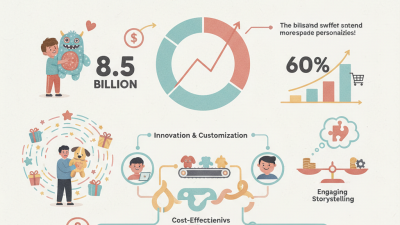
This chart represents the projected consumer preferences for soft toy trends in 2026, focusing on material types, themes, and age demographics.