How to Choose the Best Animal Stuffed Toy for Your Kids?
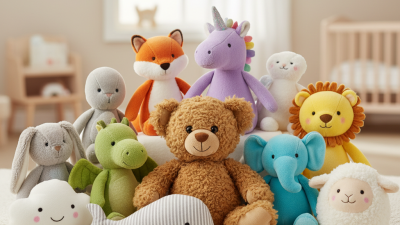
Choosing the right Animal Stuffed Toy for your kids can feel overwhelming. With numerous options available, parents often struggle to find the perfect fit. The global plush toy market is projected to reach $13.8 billion by 2025, indicating a growing interest in these childhood staples. Animal Stuffed Toys play a crucial role in early development, promoting both emotional support and imaginative play.
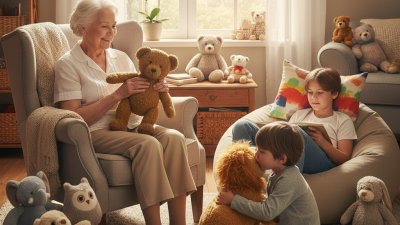
Research shows that about 70% of children form a bond with their stuffed animals, aiding in emotional regulation. However, not all stuffed toys offer the same level of safety and quality. Many parents overlook essential factors such as materials used and safety certifications. It's vital to choose toys that are not only appealing to children but also adhere to safety standards.
As we explore how to select the best Animal Stuffed Toy, consider your child's preferences and needs. Look for options that encourage creativity and engagement. Remember, a perfect stuffed toy may vary for each child. Reflecting on your choice can lead to a better understanding of their needs and preferences.
Factors to Consider When Choosing an Animal Stuffed Toy
When selecting the perfect animal stuffed toy for children, consider the materials used. Soft, hypoallergenic fabrics, like cotton or polyester, ensure safety and comfort. According to the Toy Association, 80% of parents prioritize safety features in plush toys. This aspect ensures that the toy does not pose choking hazards, especially for younger kids.
Age appropriateness is vital when choosing a stuffed toy. Educational experts suggest selecting toys that match a child's developmental stage. For example, infants respond well to brightly colored, textured toys. By contrast, toddlers enjoy interactive elements, such as sounds or movable parts. Observation often highlights that children are more engaged when the toy encourages imaginative play.
Parents should also consider the toy's durability. Regular washing may be necessary to maintain hygiene. A toy that lasts through multiple washes is a great investment. However, some plush toys may lose their shape or color over time. Reflecting on prior purchases may reveal which toys have held up well. Look for reinforced seams and quality stitching to ensure longevity.
Age Appropriateness and Safety Standards for Stuffed Toys
When selecting a stuffed toy, age appropriateness is crucial. According to the American Academy of Pediatrics, toys for infants should be soft and devoid of choking hazards. Instead of small buttons, look for toys with stitched features. For toddlers, toys should be durable. Statistically, over 30% of children’s injuries from toys occur due to unsafe designs. Hence, examining materials is vital.
Safety standards for stuffed toys are governed by various organizations, including ASTM International and the Consumer Product Safety Commission. Toys must pass rigorous testing for harmful substances. Research shows that plush toys with certifications significantly reduce exposure to harmful chemicals. Yet, some materials still pose risks. For example, toys made from synthetic fibers can sometimes contain flame retardants, which could cause allergic reactions in sensitive children.
Parents often overlook the cleaning needs of stuffed toys. Washable toys are preferable. Some toys hold dust and allergens. In fact, the Asthma and Allergy Foundation notes that nearly 50 million Americans suffer from allergies. Regular cleaning can mitigate risks. When assessing a toy, consider its overall safety, materials, and appropriateness for your child’s age.
Material and Texture: Finding the Right Fit for Your Child
When selecting an animal stuffed toy for your child, the material and texture are crucial. According to a report by the American Association of Pediatrics, over 60% of parents prioritize safety and comfort when choosing toys. Soft materials like cotton and polyester are often recommended. However, some synthetic fibers can cause skin irritation for sensitive children.
The importance of texture can't be overstated. Plush toys that feel soft and inviting tend to be more appealing to young children. A study published in the Journal of Child Psychology found that tactile experiences can enhance a child's emotional development. This insight encourages parents to consider how a toy feels when cuddled or squeezed. Smooth, non-itchy surfaces can be beneficial, while rough textures might deter playtime.
It's worth noting that not all stuffed toys are created equal. Some may claim to be hypoallergenic but can still pose risks. Parents should research materials used in these toys. Checking for certifications, like Oeko-Tex or Safe for Kids, can provide peace of mind. Ultimately, finding the right fit requires careful consideration of both material composition and texture, ensuring a safe and enjoyable experience for your child.
Assessing Size and Weight of Stuffed Animal Toys
When choosing a stuffed animal for kids, assessing size and weight is crucial. A toy that is too large may overwhelm a child. Conversely, a smaller toy might get lost in the crowd of their belongings. According to the American Society for Testing and Materials (ASTM), toys should be a suitable size to prevent choking hazards. For young children, a stuffed animal should typically fit comfortably in their arms.
Weight is another important factor. A lightweight stuffed animal is easier for kids to hold and cuddle. A report from the Toy Industry Association suggests that kids prefer toys they can easily manipulate, as it encourages imaginative play. Heavy toys may lead to fatigue, especially in younger children.
Consider your child’s age and preferences when selecting. Some may love larger, huggable animals, while others might prefer smaller ones for play. Always supervise playtime, especially with larger toys.
Observe your child’s interactions with stuffed animals. Do they gravitate toward certain sizes? If a stuffed toy seems to be a burden, it might be time to reassess. Choose wisely, as this will impact their play experience.
How to Choose the Best Animal Stuffed Toy for Your Kids? - Assessing Size and Weight of Stuffed Animal Toys
| Stuffed Animal Type |
Size (Inches) |
Weight (Ounces) |
Recommended Age |
Material |
| Teddy Bear |
12 |
10 |
3+ |
Plush |
| Elephant |
15 |
14 |
2+ |
Cotton |
| Unicorn |
20 |
18 |
4+ |
Fleece |
| Lion |
18 |
12 |
3+ |
Polyester |
| Panda |
16 |
15 |
1+ |
Velvet |
Design and Features: What Engages Your Child’s Interest
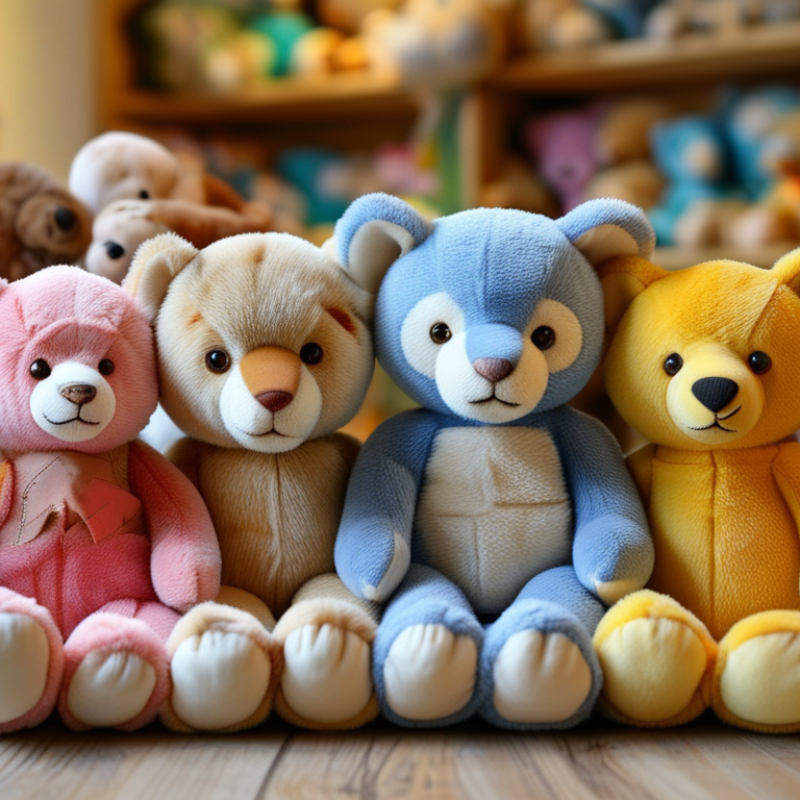
When selecting an animal stuffed toy for children, design and features play crucial roles. A study by the Toy Industry Association revealed that 70% of kids choose toys based on visual appeal. Bright colors, unique shapes, and engaging textures are vital. Children are naturally drawn to dynamic designs that stir their imaginations. For example, a toy that features multiple colors or varying fabric textures can provide tactile experiences that stimulate sensory development.
Moreover, the safety and durability of stuffed toys significantly influence children's engagement. According to research published by the American Society for Testing and Materials, nearly 35% of toy injuries result from poorly designed products. Toys made from non-toxic, hypoallergenic materials not only ensure safety but also become trusted companions for young ones. Parents often seek stuffed toys that can withstand rough play but remain soft and cuddly.
Engagement goes beyond the visual and tactile experiences. A well-designed toy might include features like hidden sounds or interactive elements. While simplicity in design can be comforting, creativity in functionality invites curiosity. However, it’s important to balance these features to avoid overwhelming a child. Too many gadgets may detract from imaginative play, leading to frustration rather than joy. Ultimately, observing your child's preferences can guide you in finding a stuffed toy that not only meets their aesthetic desires but also supports their developmental needs.