Top 10 Tips for Sourcing Custom Stuffed Toys Worldwide?
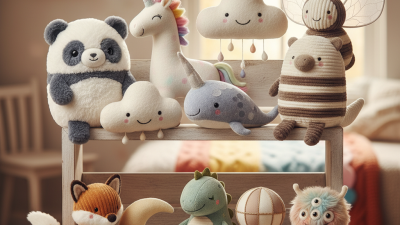
In today's vibrant toy market, the demand for Custom Stuffed Toys continues to rise. From unique designs to personalized characters, these toys cater to individual tastes. Sourcing these items globally can be both exciting and challenging. It requires careful planning and strategic decision-making.
Selecting the right supplier is crucial. Good communication and clear expectations will ensure a smooth process. Quality control is vital; it prevents large-scale production errors. You want toys that not only look appealing but are safe for children. It’s important to understand different materials and manufacturing techniques used worldwide.
Focusing on ethical production is equally significant. Many consumers prioritize sustainability and fair labor practices. Reflecting on your choices can lead to a better final product. Continuous research is essential as market trends shift. This journey toward sourcing Custom Stuffed Toys worldwide presents opportunities for creativity and learning.

Understanding the Landscape of the Custom Stuffed Toy Market
The custom stuffed toy market has seen significant growth in recent years. According to industry reports, the global plush toy market is projected to reach $9 billion by 2025. This indicates an increasing demand for unique, personalized designs. Consumers are seeking tailored products that cater to their specific preferences.
Understanding regional markets is essential for effective sourcing. For instance, Asia remains a hub for plush toy manufacturing, with countries like China and Vietnam leading the way. However, sourcing from these regions poses challenges, such as fluctuating tariffs and ensuring quality control. Small businesses must tread carefully to avoid potential pitfalls.
Promotional activities and social media are key for brands in this sector. Reports reveal that 70% of consumers are influenced by social media trends when purchasing toys. This means companies must be agile in their marketing strategies to reach their target audiences effectively. Customization and innovation are not just perks; they have become necessities in a competitive marketplace. Balancing these factors is crucial, as missteps can lead to lost revenue and damaged reputations.
Identifying Reliable Suppliers for Custom Stuffed Toys
Sourcing custom stuffed toys requires a strategic approach. Identifying reliable suppliers can be daunting. Insights from industry reports suggest that 40% of businesses struggle with supplier selection. Trust is critical when working with manufacturers globally.
Evaluating suppliers involves assessing their capabilities. Industry surveys indicate that 70% of companies prioritize quality assurance. When sourcing, verify their manufacturing processes. A factory visit can reveal much. Are they adhering to safety standards? Does their production meet international compliance requirements?
Consider supplier reviews and testimonials. According to a recent study, 55% of suppliers were chosen based on positive feedback. Explore online platforms for credible reviews. Diversify your search. Relying on a single source may lead to risks. Data also highlights that 30% of suppliers fail to deliver on time. This factor can disrupt your supply chain significantly. Quality and reliability should guide your decisions in this competitive landscape.
Top 10 Tips for Sourcing Custom Stuffed Toys Worldwide
This chart represents the average delivery time in days from various suppliers for custom stuffed toys. By analyzing the data, you can identify which suppliers offer the quickest delivery, helping you make informed sourcing decisions.
Evaluating Quality Standards and Safety Regulations
When sourcing custom stuffed toys, quality standards and safety regulations are crucial.
According to a 2022 report by the International Council on Toy Industries (ICTI), nearly 80% of toy recalls are due to safety issues.
It's vital to establish a clear understanding of the regulations in different markets. For instance, the American Society for Testing and Materials (ASTM) sets rigorous standards that manufacturers must meet.
These include assessments for flammability, choking hazards, and chemical safety.
Regular audits of your suppliers help ensure compliance with these standards. However, many small manufacturers struggle with alignment.
A 2021 survey by the Toy Association found that 30% of small toy producers are unaware of these essential safety regulations.
This gap could lead to costly recalls and reputational damage. Engaging consultants familiar with global standards may provide added expertise.
Additionally, establishing strong quality control processes is key.
A report by the Global Toy Group highlighted that about 25% of manufacturers do not conduct adequate testing before shipping products.
This negligence not only risks safety but can also affect brand credibility. Relying solely on suppliers to ensure quality may be insufficient.
It's essential to actively participate in quality assurance efforts throughout the sourcing process.
Negotiating Terms and Pricing with Manufacturers
Negotiating terms and pricing with manufacturers requires careful strategy. Start by understanding the local market conditions. Research common pricing structures. Find out what similar products cost. This gives you a baseline for negotiations.
When discussing terms, be clear about your expectations. Specify quality standards and delivery timelines. Use samples to illustrate your needs. This reduces misunderstandings later on. Don't hesitate to ask for different pricing options, such as bulk discounts.
Be prepared for pushback. Manufacturers often have set prices. However, demonstrating knowledge can establish credibility. You might not get everything you want at once. Flexibility can lead to better long-term partnerships. Maintaining a respectful tone fosters trust. If misunderstandings occur, approach them with an open mindset. Adapt and learn from each negotiation experience.
Establishing Effective Communication and Workflow Practices
Effective communication is vital when sourcing custom stuffed toys globally. Begin by establishing clear expectations with your suppliers. This includes specifications for materials, dimensions, and safety standards. Make sure to communicate your deadlines and budget constraints upfront. Misunderstandings can lead to delays and dissatisfaction. It's essential to connect regularly and use collaborative tools to keep everyone on the same page.
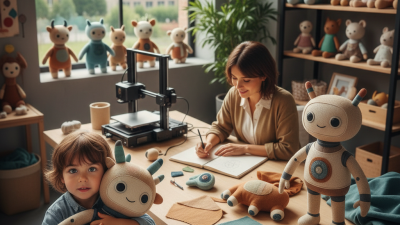
Utilizing visual aids can greatly enhance communication. Share sketches or prototypes to clarify your vision. Consider organizing virtual meetings to discuss progress and address any issues. If language barriers exist, consider hiring a translator. This helps avoid misinterpretations. Reflect on past experiences where lack of communication created problems. Learning from these moments can improve future collaborations.
Workflow practices should be efficient yet flexible. Establish a timeline but be prepared to adjust it if needed. Create a feedback loop where both parties can voice concerns and suggestions. Recognize that not every process will run smoothly. Constantly evaluate and refine your approach. Collaboration is an ongoing process that requires patience and effort from all involved.