2026 Top Custom Stuffed Toy Trends You Should Know?
In 2026, the world of Custom Stuffed Toys is evolving rapidly. Families and collectors increasingly seek unique options. Customization adds a personal touch, making toys more meaningful.
This year, creativity is at the forefront. Designers explore new materials and shapes. Eco-friendly options are gaining popularity, reflecting a shift in consumer values. The demand for toys with a story is rising. Parents want gifts that inspire imagination and connection.
As trends change, manufacturers must adapt. Some struggle to keep up with consumer expectations. A focus on quality is essential. It's important to balance innovation with reliability. Custom Stuffed Toys should not only be cute; they must be trustworthy. In this evolving market, significant opportunities and challenges lie ahead.
Emerging Design Trends in Custom Stuffed Toys for 2026
As we approach 2026, the world of custom stuffed toys is evolving in remarkable ways. Designers are increasingly focused on creating unique, personalized experiences for consumers. This trend is evident in the rise of eco-friendly materials. More manufacturers are prioritizing sustainability, creating toys that not only delight but are also kind to the planet. The inclusion of organic fabrics and biodegradable options is becoming standard practice.
In addition, customization options are expanding. Consumers want toys that reflect their identity or interests. Personalization now includes design elements like colors, patterns, and even voice recordings. This level of engagement fosters deeper emotional connections. Furthermore, there is a growing inclusion of technology. Interactive plush toys that incorporate sound and light are becoming more popular. These features enhance playtime and learning experiences, but they also raise questions about longevity and children's screen time.
Interestingly, while focusing on innovation, it's essential to consider the balance between creativity and safety. A strong trend in user feedback highlights the need for robust testing and quality assurance. Parents particularly value transparency regarding materials and safety standards. Addressing these concerns is vital for building trust. In this dynamic landscape, reflecting on these aspects will guide designers towards creating toys that are not only fun but also responsible and safe for all children.
Sustainable Materials: The Future of Eco-Friendly Stuffed Toys
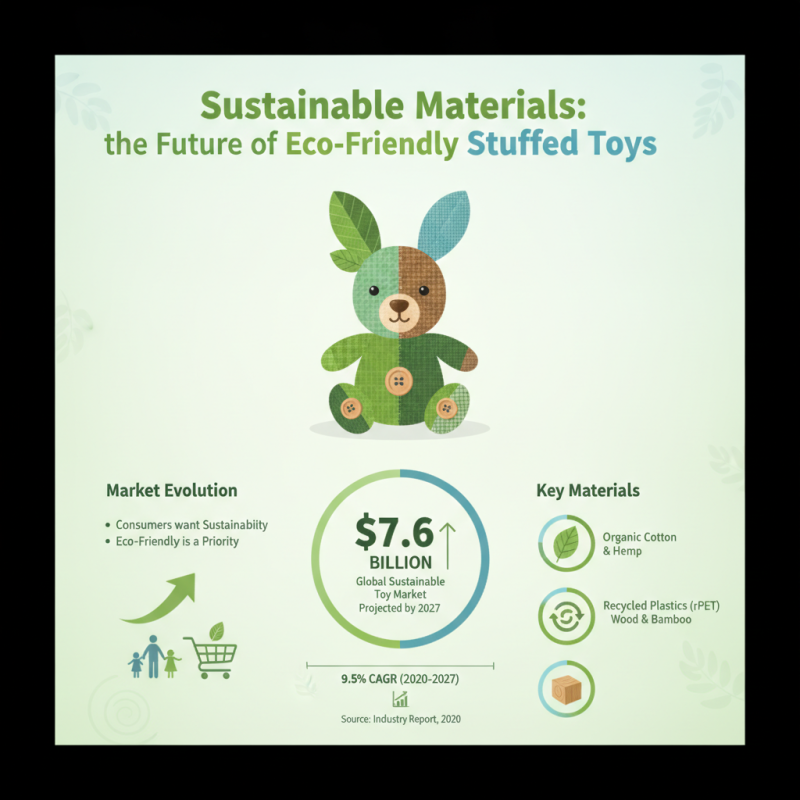
The market for stuffed toys is evolving. Parents and consumers are increasingly focused on sustainability. Eco-friendly stuffed toys are becoming a priority. In fact, a recent report indicates that the global sustainable toy market is projected to reach $7.6 billion by 2027, growing at a CAGR of 9.5% from 2020.
Sustainable materials are at the core of this trend. Organic cotton, recycled plastics, and biodegradable fillers are in high demand. These materials reduce waste and minimize environmental impact. Many companies are now focusing on sourcing materials that are certified and safe for children. However, companies should be aware of the complexities in sourcing these materials. The supply chain can be challenging and may lead to production hurdles.
**Tip:** When selecting stuffed toys, check for certifications. Look for labels that denote organic or eco-friendly materials. This ensures both safety and sustainability.
The rise of eco-friendly stuffed toys reflects a broader cultural shift towards environmental responsibility. Despite the growing interest, not every product meets high standards. Consumers need to be vigilant. The pursuit of sustainable toys also raises questions about affordability and accessibility for all families. Striking the right balance continues to be a challenge for manufacturers.
Personalization Technologies: Enhancing Customer Experience in 2026
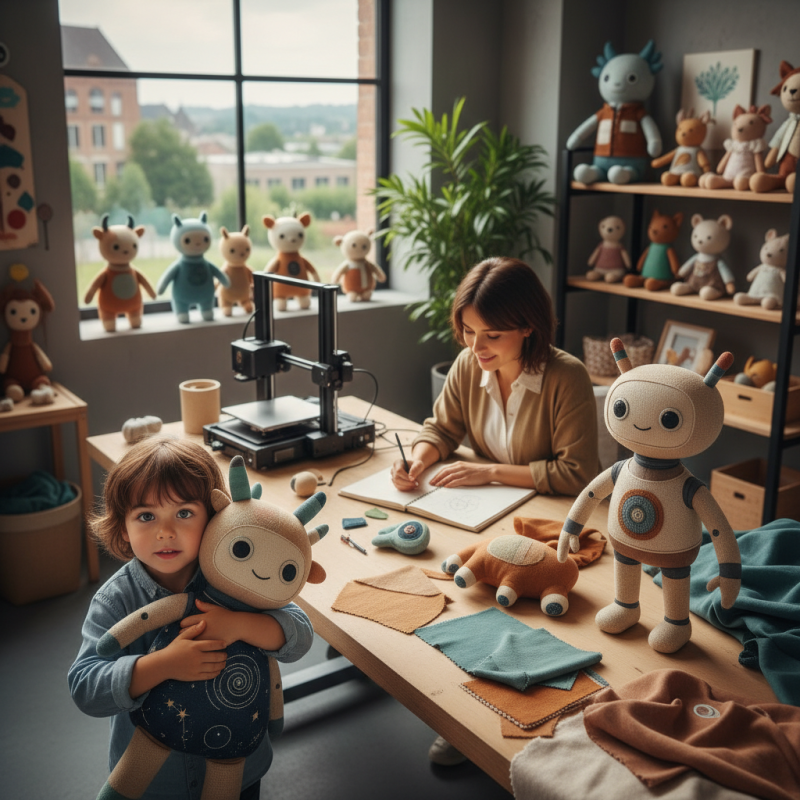
In 2026, personalization will dominate the custom stuffed toy market. Advanced technologies are making it easier for customers to create unique toys. Augmented reality (AR) and 3D printing could allow customers to visualize their ideas and bring them to life. This trend enhances the entire experience, making it more engaging and interactive.
When incorporating personalization, focus on user-friendly interfaces. A smooth design process encourages creativity. Customers appreciate platforms that offer multiple customization options. Think about various materials, colors, and sizes. However, remember that too many choices can overwhelm some users. Balancing options is key.
Consider feedback from customers. Many may have ideas that can improve personalization features. Being open to suggestions can make your services more reliable and trustworthy. Regularly updating your technology will also keep you relevant. Personalization should evolve with changing customer preferences. This dynamic approach will enhance customer loyalty and engagement in the long run.
2026 Custom Stuffed Toy Trends
Integration of Smart Features: A Look at Tech-Infused Plush Toys
The integration of smart features in plush toys is changing how children interact with their favorite companions. These tech-infused toys can respond to touch, play music, or even tell stories. Imagine a cuddly bear that lights up and sings when hugged. This adds a new level of engagement, making playtime interactive and enjoyable.
Parents appreciate the educational aspects of these toys. Many plush toys now teach kids basic coding or language skills. These learning moments are subtle yet effective; children do not even realize they are learning while playing. However, not all smart plush toys are flawless. Some may require constant updates or have connectivity issues, leading to frustration.
Moreover, the safety of tech-infused toys is a concern. Parents need to ensure that these products are safe and age-appropriate. With the rise of technology, manufacturers must keep up with safety standards. The balance between fun and safety is crucial for parents when choosing these toys. It reflects the evolving landscape of play, merging tradition with innovation.
Market Growth Projections: Analyzing the Custom Stuffed Toy Industry
The custom stuffed toy industry is experiencing significant growth. Market projections indicate a surge in demand driven by personalization trends. Consumers increasingly seek unique, tailored products that reflect their individual preferences. This is evident in various demographics, from children to adults. Personalization not only enhances emotional connections but also boosts the gift-giving experience.
Currently, e-commerce plays a vital role in this sector. Online platforms make it easy to customize and order custom plush toys. However, this convenience comes with challenges. Not all companies can ensure high-quality materials. Some lack the expertise to create safe and durable products. Customers have raised concerns regarding safety standards. There is a pressing need for brands to prioritize transparency and quality control.
Looking ahead, sustainability should be a focal point in the custom stuffed toy market. Consumers are becoming more aware of environmental impacts. Companies can capitalize on this by using eco-friendly materials. Nevertheless, many still rely on traditional production methods. This creates a disconnect between consumer expectations and actual practices. The path forward requires a commitment to innovation and responsibility in this growing industry.
2026 Top Custom Stuffed Toy Trends You Should Know
| Trend |
Projected Market Growth (%) |
Key Features |
Target Demographic |
| Personalization Options |
18% |
Custom designs, names, and colors |
Children, Gift Buyers |
| Eco-Friendly Materials |
25% |
Biodegradable fabrics, organic stuffing |
Environmentally conscious consumers |
| Interactive Toys |
22% |
Voice-activated features, lights |
Tech-savvy children |
| Cultural Representation |
30% |
Toys representing diverse cultures |
Multicultural families |
| Subscription Services |
15% |
Monthly deliveries of themed stuffed toys |
Parents, gift givers |