Best Pet Toys to Keep Your Pets Happy and Engaged?
Pet toys play a crucial role in the well-being of our pets. According to the American Pet Products Association, pet owners spend over $100 per year on toys for their furry friends. This investment is essential. Engaging pets with the right toys can lead to improved mental health and increased physical activity. Studies have shown that interactive toys can reduce anxiety and prevent destructive behaviors.
Finding the best pet toys can be overwhelming. With so many options available, it’s hard to know what truly benefits our pets. Experts recommend toys that stimulate both the mind and body, such as puzzle toys and fetch equipment. A study from the Journal of Animal Behavior highlights that pets who engage in regular playtime exhibit lower stress levels. This information reinforces the importance of quality toys in your pet's daily routine.
However, not all toys suit every pet. Owners may need to explore various options to discover what captivates their pets. Some toys may not hold their attention long enough or could create frustration. Thus, understanding your pet’s unique preferences is key to selecting the right toys. The right choice will not only keep them happy but will also strengthen the bond between you and your beloved companion.
Choosing the Right Toys Based on Your Pet's Size and Breed
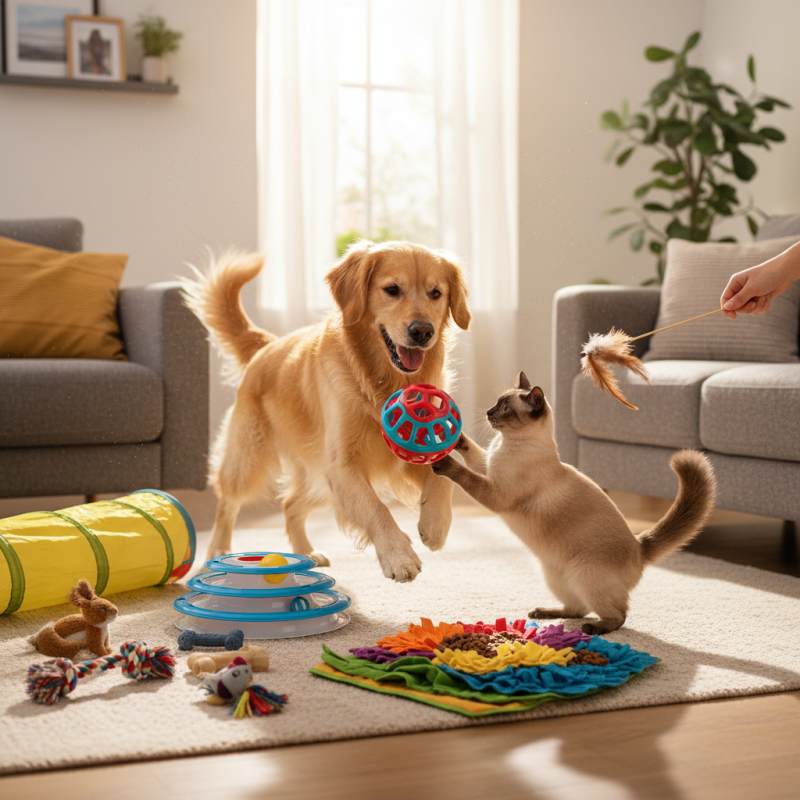
Choosing the right toys for your pets is crucial. Different pets have varied needs based on their size and breed. A small dog might enjoy squeaky toys, while larger breeds often prefer more durable options. Toys should not only entertain but also stimulate your pet's mind. Engaging toys can help reduce anxiety and boredom.
Consider your pet's age and activity level. A young kitten will have different play styles compared to a senior cat. Some pets may require more interactive toys to keep them focused. For example, puzzle toys can challenge them mentally. Watch your pet at play; this can give you insights into their preferences.
It’s important to assess the safety of toys. Some pets might chew on toys excessively, leading to potential hazards. Regularly check toys for wear and tear. If a toy is damaged, it may no longer be safe. Ultimately, knowing your pet’s unique characteristics will help you make better choices. Observing how they interact with different toys offers valuable feedback for future selections.
Types of Pet Toys for Different Species: Dogs, Cats, and More
When it comes to keeping pets happy, toys are essential. Different pets need various toys to stay engaged. According to the American Pet Products Association, 68% of U.S. households own a pet, highlighting the importance of proper toys. For dogs, interactive toys that promote mental stimulation are vital. Studies show that dogs who play with puzzle toys tend to exhibit less anxiety. Engaging their minds helps curb destructive behaviors.
Cats, on the other hand, benefit from toys that mimic prey. Toys that move or make sounds can foster natural hunting instincts. A survey from the Journal of Feline Medicine and Surgery indicates that active play reduces obesity risk in cats. Yet, some toys can be overly stimulating, leading to stress. Pet owners should observe their cats' reactions to different types of toys and adjust accordingly.
Small animals like rabbits and guinea pigs need toys too. Chewing toys that promote dental health are essential for them. Yet, many owners overlook this need. A lack of appropriate toys can lead to boredom and even health issues in these pets. Ensuring that every pet has suitable toys can enhance their quality of life. Each species has unique needs, and understanding these is crucial for responsible pet ownership.
Best Pet Toys to Keep Your Pets Happy and Engaged
| Pet Type |
Toy Type |
Benefits |
Recommended Age |
| Dogs |
Chew Toys |
Promotes dental health, keeps dogs engaged |
All ages |
| Dogs |
Fetch Toys |
Encourages exercise and strengthens bond with owner |
All ages |
| Cats |
Interactive Toys |
Stimulates hunting instincts and mental engagement |
Kittens and adults |
| Cats |
Catnip Toys |
Provides entertainment and encourages playfulness |
6 months and older |
| Rabbits |
Chew Toys |
Keeps teeth trimmed and prevents boredom |
All ages |
| Small Pets (Guinea Pigs, Hamsters) |
Exercise Wheels |
Encourages physical activity and reduces obesity |
Juveniles and adults |
Interactive Toys: Enhancing Bonding and Mental Stimulation
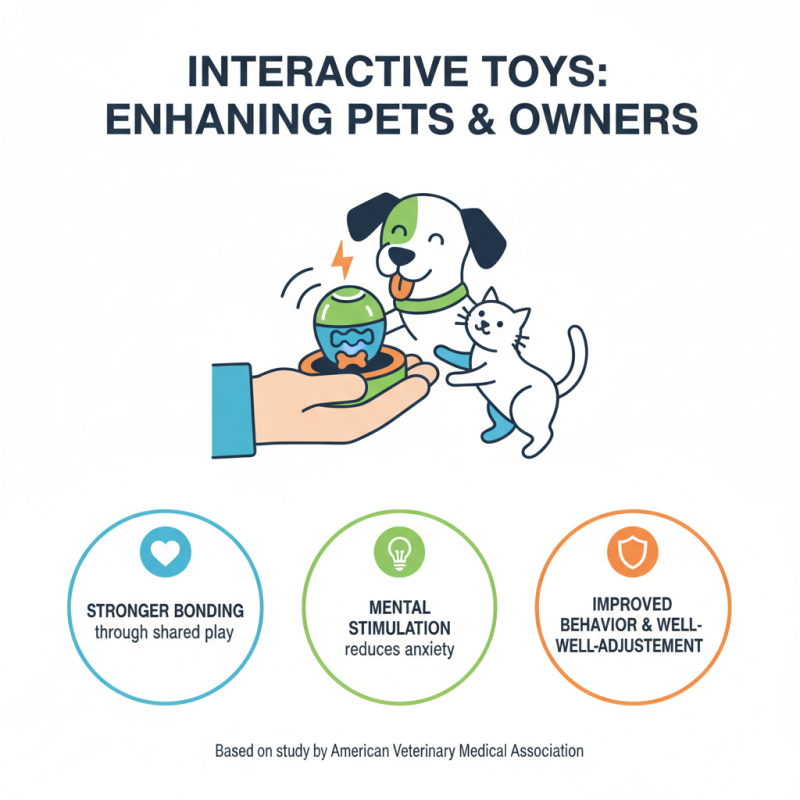
Interactive toys serve a crucial role in enhancing the bond between pets and their owners. These toys stimulate a pet's mind and promote bonding through play. According to a recent study by the American Veterinary Medical Association, pets that engage with interactive toys are often more well-adjusted. They experience less anxiety and exhibit better behavioral traits. This underscores the importance of mental stimulation in a pet’s life.
Using interactive toys can result in significant improvements in a pet's quality of life. Research shows that dogs require at least 30 minutes of mental engagement daily. For cats, this number can be even higher. Toys that require pets to solve puzzles or engage in problem-solving can keep them entertained for hours. They challenge pets to think and react, reducing boredom and the need for destructive behavior. A study from the Association of Pet Product Manufacturers highlights that 70% of pet owners noticed a change in their pet’s activity levels when using these toys regularly.
However, not every interactive toy works for all pets. Some may find them too challenging or lose interest quickly. Continuous exploration of different types is essential. Monitoring how a pet interacts with toys can help owners make better choices. Finding the right toys takes time and patience. This trial and error approach leads to a deeper understanding of a pet’s needs and preferences. Ultimately, investing in interactive toys is beneficial but requires thoughtful consideration and adaptation.
Safety Considerations When Selecting Pet Toys
When choosing pet toys, safety should be your top priority. It’s essential to consider materials that are non-toxic and free from harmful chemicals. Pets often chew and bite toys, so ensuring they are safe is crucial. Look for items that are durable and sturdy to avoid accidental breaking. Broken pieces can become choking hazards.
Always check for any small parts that could detach. These parts can pose serious risks to pets, especially dogs and cats. Inspecting toys regularly for signs of wear or damage can help prevent accidents. Supervision during playtime can also minimize risks associated with toys that may not be entirely safe.
Choosing the right size is equally important. A toy that is too small can easily be swallowed. Conversely, a toy that is too large may cause frustration and disinterest. Observe your pet's playing habits and adjust your toy choices based on what keeps them engaged while prioritizing their safety. Being attentive to your pet's interactions with toys can lead to better choices in the future.
Best Pet Toys to Keep Your Pets Happy and Engaged
Tips for Regularly Updating Your Pet's Toy Collection
Keeping your pet's toy collection fresh is essential for their happiness. Pets can become bored with the same toys over time. Regularly rotating toys can stimulate their minds and prevent destructive behaviors. Aim to update the collection every few weeks.
Consider the types of toys your pet enjoys. Chew toys, interactive puzzles, and plush toys all provide different benefits. Observe your pet's play habits. Do they prefer chasing, chewing, or snuggling? This can guide your purchasing decisions. Sometimes, simple homemade toys can also do the trick. A cardboard box or a crumpled paper ball can bring joy.
It’s okay if some toys go unused. Not every toy is a hit. Keep track of what resonates with your pet. A toy that captivates one dog may not interest another. Watch for signs of boredom. If your pet isn't engaging, it's time for a change. Regular updates not only enhance playtime but also strengthen the bond between you and your pet.