Top 10 Pet Toys Your Furry Friends Will Love?
Finding the right pet toys can be a delightful yet challenging task. Our furry friends thrive on play, making pet toys essential. They stimulate their minds and keep them active. However, not all toys suit every pet. Preferences can vary greatly among different breeds and ages.
Consider durable materials that can withstand chewing. Look for toys that engage your pet's natural instincts, like chasing or fetching. Vibrant colors and interesting textures can capture their attention. Yet, it's crucial to monitor their playtime. Some toys may be too small or fragile, posing safety risks.
In this guide, we will explore the top 10 pet toys your furry friends will love. Each toy is chosen based on expert recommendations and user experiences. By understanding your pet's unique needs and preferences, you can make informed choices. Let's dive into the world of pet toys and discover what will bring joy to your beloved companions.
Understanding Your Pet's Play Preferences
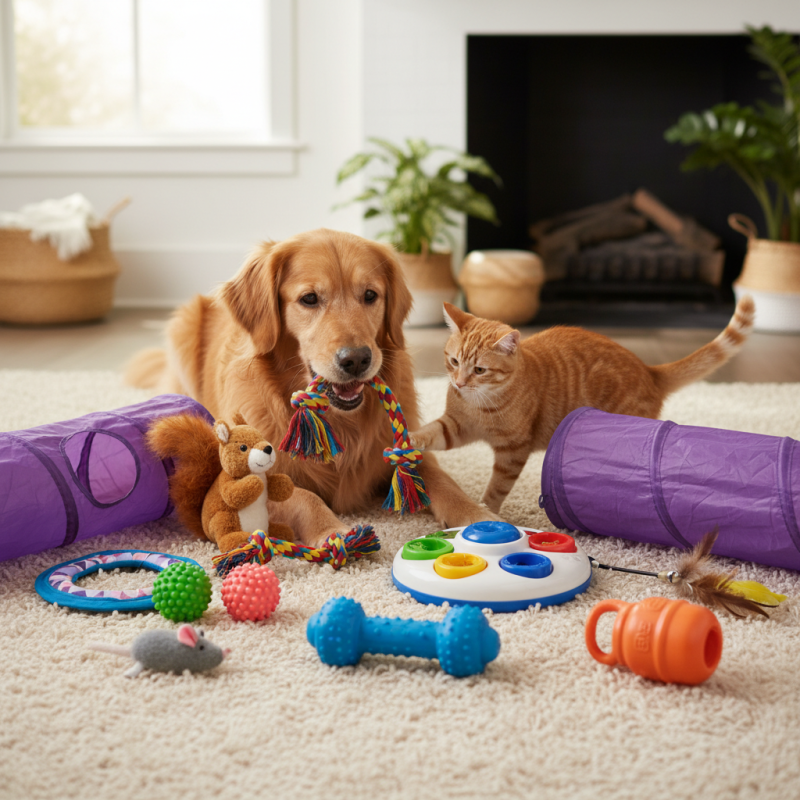
Understanding your pet's play preferences can enhance their happiness. Each pet has unique tastes. Some dogs prefer squeaky toys, while others enjoy fetch balls. Cats may chase feather wands or pounce on crinkly mice. Observing these preferences helps you choose the right toys.
Many pets display their likes and dislikes early on. For instance, if your dog ignores a plush toy but loves rubber ones, it's a sign. Cats often play with toys that mimic prey movement. Pay attention to your pet's engagement. If they seem bored, it might be time to reassess their toy collection.
Experimenting with different types can lead to surprising discoveries. You might find that your pet enjoys toys you didn’t expect. However, it's also important to monitor their playtime. Too much excitement can lead to overstimulation or injuries. Finding a balance is crucial.
Top 10 Pet Toys Your Furry Friends Will Love
| Toy Name |
Type |
Material |
For Pet Type |
Recommended Age |
| Interactive Laser Toy |
Laser |
Plastic |
Cats |
All Ages |
| Stuffed Plush Toy |
Plush |
Fabric |
Dogs |
Puppies |
| Rubber Chew Toy |
Chew |
Rubber |
Dogs |
All Ages |
| Ball with Bell |
Ball |
Plastic |
Cats |
All Ages |
| Squeaky Bone Toy |
Squeaky |
Vinyl |
Dogs |
All Ages |
| String Wand Toy |
Wand |
Fabric/Plastic |
Cats |
All Ages |
| Rope Tug Toy |
Tug |
Cotton |
Dogs |
All Ages |
| Catnip Mouse Toy |
Mouse |
Fabric |
Cats |
All Ages |
| Fetch Frisbee |
Frisbee |
Plastic |
Dogs |
All Ages |
| Puzzle Feeders |
Puzzle |
Wood/Plastic |
Dogs & Cats |
All Ages |
Types of Pet Toys: Choosing the Best for Your Furry Friend
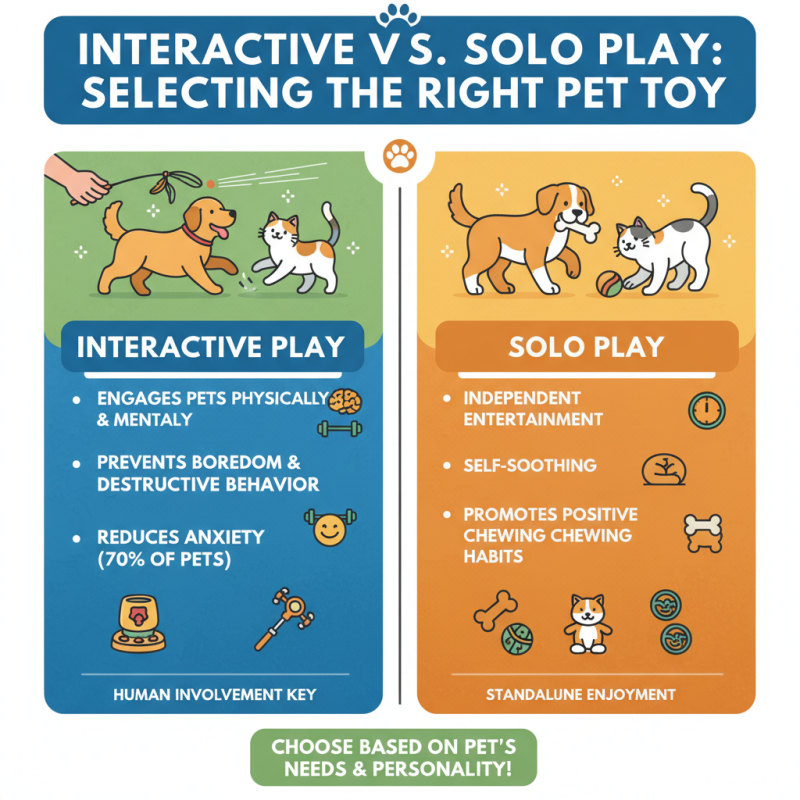
Choosing the right pet toys is crucial for your furry friend’s well-being. Different pets have different needs. For instance, dogs often enjoy chew toys to satisfy their instincts. These toys can help promote dental health while keeping them entertained. Cats, on the other hand, tend to be more playful, enjoying interactive toys like feather wands or laser pointers. These toys encourage exercise and stimulate their hunting instincts.
Consider the materials used in your pet's toys. Ensure that they are safe and non-toxic. Many toys are made from rubber or fabric, but not all are durable or safe. Look for toys that can withstand rough play. However, even the toughest toys can wear out over time. Regularly check for signs of damage. Playing with your pet can also be a bonding experience, but remember that not all pets respond to toys the same way. Some might lose interest quickly. Experimenting can help you find what they enjoy the most.
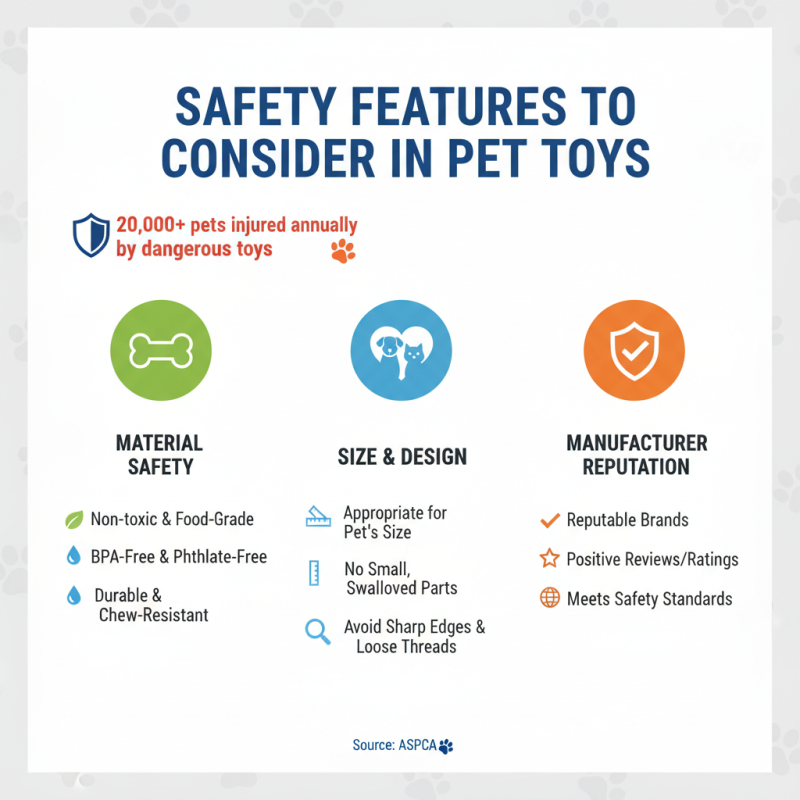
Safety Features to Consider in Pet Toys
When choosing pet toys, safety is critical. According to the American Society for the Prevention of Cruelty to Animals (ASPCA), over 20,000 pets suffer injuries due to dangerous toys annually. This figure sheds light on the importance of selecting items that prioritize safety and well-being.
Ensure toys are size-appropriate. Items that are too small can pose a choking hazard. Additionally, check for sharp edges or splinters. Toys made from non-toxic materials are essential. The Pet Industry Market Size report highlights that 30% of pet owners unknowingly purchase toys with harmful chemicals. Look for certifications that verify safety standards.
Consider durability and wear. Pets often chew on toys vigorously, which can lead to dangerous fragments. A 2022 study found that worn-down toys were responsible for 15% of pet injuries. Regularly inspect toys for signs of damage. Ideally, replace them as needed. A mindful approach can help keep your furry friends happy and safe.
Top 10 Must-Have Pet Toys for Endless Fun
When it comes to entertaining our pets, choosing the right toys matters significantly.
According to a study by the American Pet Products Association, 68% of U.S. households own pets. Among those, the
pet toy market is projected to reach over $2 billion by 2025. This indicates a
strong demand for engaging and stimulating products that enhance our furry friends' playtime.
Interactive toys, such as puzzle feeders, help mental stimulation.
They challenge your pet to think, improving cognitive skills. Additionally, plush toys can offer comfort
and companionship. Interestingly, about 60% of dogs express
attachment to specific toys. This emotional bond can reduce anxiety, especially in stressful situations.
However, not every toy works for every pet. Some pets may lose interest quickly.
It's crucial to observe your pet’s preferences and reactions. This personalized approach can lead to more
enjoyable playtimes. Periodically rotating toys is another way to maintain excitement. Remember, engaging
playtime not only fulfills your pet's physical needs but also supports their emotional well-being.