How to Choose the Best Draught Excluder for Your Home?
Selecting the right draught excluder for your home is crucial for maintaining energy efficiency. A draught excluder helps prevent cold air from entering and warm air from escaping. This is especially important during winter months when heating costs can soar.
There are various types of draught excluders available. You can choose from traditional fabric designs to modern stick-on versions. Each has its pros and cons. Some may not fit snugly or wear out quickly. It's important to think about your specific needs and the space you have.
Consider measuring doorways and windows before making a decision. A well-fitted draught excluder can significantly lower energy bills. However, if you choose the wrong type, you may see little improvement. It’s essential to weigh your options carefully. A reliable draught excluder can enhance comfort and efficiency in your home.
Understanding the Purpose of Draught Excluders for Home Comfort
Draught excluders play a crucial role in enhancing home comfort. By preventing cold air from entering your space, they help maintain a stable indoor temperature. Research from the Energy Saving Trust indicates that homeowners can save up to 20% on heating bills by effectively sealing draughts. This can translate into significant financial savings over time.
Choosing the right draught excluder is not merely about aesthetics. The materials, such as foam, rubber, and fabric, contribute to their effectiveness. For instance, a well-fitted foam strip can reduce heat loss significantly. Homeowners often underestimate how gaps around doors and windows affect their comfort levels. A study revealed that even small gaps can let in up to 10% of cold air.
It’s important to regularly assess the condition of draught excluders. Over time, they may wear out or become ineffective. Reflecting on the materials used can provide insight. Not all types suit every home environment, and self-adhesive options may peel off. Homeowners should consider their long-term needs instead of making hasty choices.
Types of Draught Excluders: A Comprehensive Overview
Draught excluders are essential for maintaining comfortable indoor temperatures. They come in various forms, each offering unique benefits. Understanding these types can help you choose the right one for your home.
One common type is the door sweep. This simple attachment fits at the bottom of your door, sealing gaps effectively. It can be made of rubber or bristles, providing a tight seal against cold air.
Another option is the window seal. Often made of foam or weather stripping, it guards against drafts around window frames. These seals are easy to install and can significantly reduce heating costs.
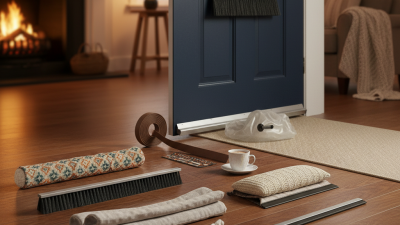
Fabric draught excluders are also popular. Often shaped like a sausage, they can be placed in front of doors or windows. They add a decorative touch while serving a practical purpose. However, they may require regular washing to maintain hygiene.
If you live in a drafty area, you might need to mix and match different types. Each home is unique, and what works for one may not work for another. Experimenting can help identify the best solution for your space.
Factors to Consider When Choosing a Draught Excluder
When choosing a draught excluder for your home, several factors come into play. The design and materials greatly affect efficiency. Look for options made from durable materials that can withstand wear. A solid seal prevents cold drafts and keeps heating costs down. Consider how the excluder fits with your home's aesthetics. A well-chosen design can enhance your décor while providing functionality.
Size is another crucial factor. Measure doorways or windows to ensure a snug fit. If the draught excluder is too small or too large, gaps remain, defeating its purpose. Some excluders are adjustable, offering versatile options. Think about the installation process as well. Some products require tools, while others are simple peel-and-stick types. Ease of use can save you time and frustration.
Weight can also impact performance. A heavier draught excluder may create a better seal but might be cumbersome. Lightweight options are easier to handle but may not be as effective. Explore different weights to find a balance that suits your needs. Remember, finding the best draught excluder involves testing various styles to see what works best in your home. It's a journey of trial and reflection, rather than a straightforward solution.
Material Comparisons: Which Draught Excluder is Right for You?
When selecting a draught excluder, material choice is crucial. Various materials offer distinct advantages and disadvantages. For instance, rubber is highly durable and provides excellent sealing properties. According to a 2022 report by the Energy Saving Trust, rubber excluders can reduce heat loss by up to 15%. However, they may lack flexibility, making them less effective on uneven surfaces.
Felt is another popular option. It is softer and easier to install, often used for doors and windows. Felt excluders can also be effective, but they tend to wear out faster than rubber counterparts. A study published in the Journal of Building Physics showed that felt can decrease energy loss by about 10%. Still, homeowners should consider the trade-off between comfort and longevity.
Draft stoppers made of fabric offer an aesthetic advantage. They come in various designs and colors, which can enhance home decor. Yet, their efficiency may not match that of rubber or felt. Manufacturers often state that fabric excluders can provide a heat retention improvement of around 7%. This may not be sufficient for extreme climates, where other solutions might be necessary. Consider the conditions your home faces to make a balanced choice.
Installing and Maintaining Your Draught Excluder for Optimal Performance
Installing and maintaining your draught excluder is crucial for enhancing your home’s comfort. Start by ensuring the area around your doors and windows is clean and dry. Remove any dust or debris that may hinder the proper fit of the excluder. Check for any damaged frames or gaps that could allow drafts. A poor installation can lead to recurring issues, so take your time during this step.
Once installed, regular maintenance is essential. Periodically inspect the excluders for signs of wear and tear. If they become compressed or lose their shape, they may not work effectively. It’s advisable to recheck their positioning every few months. A simple adjustment can significantly improve their efficiency. Remember, even the best products need attention; neglect can lead to inefficiency, increasing your energy bills.
In your pursuit of comfort, it’s worth noting that not all draught excluders suit every home. The choice may depend on the specific construction of your doors and windows. Investing a little time in maintenance can yield a noticeable difference. However, it’s easy to overlook these tasks amidst a busy schedule. Being mindful of this will help you optimize your home's energy usage.